Luftscamsa - Lufthansa Group Implements Restrictive Premium Fares Across Global Network
On March 17, 2026, the Lufthansa Group officially expanded its unbundling strategy to its premium cabins, introducing "Light" fares for Business and Premium Economy classes on selected long-haul routes. The move represents a fundamental restructuring of the carrier’s pricing model for its most profitable segments. The new fare structure is effective immediately for flights operated by Lufthansa, Swiss International Air Lines, Austrian Airlines, Discover Airlines and Brussels Airlines. Initial implementation is restricted to routes serving Africa, Asia, the Middle East, Central America and South America. Through its investigation, Pax Sentinel has found that the primary mechanism of the "Light" tier is the systematic reduction of checked baggage allowances. In Business Class, the allowance has been halved from two pieces of 32 kg to a single bag, while Premium Economy is similarly restricted to one 23 kg suitcase. Erosion of Premium Standards The most significant change for Business Class passengers involves the removal of complimentary seat reservations. Travelers opting for the lower-priced tier must now pay additional fees to secure a specific seat prior to check-in. Pax Sentinel has found that these fees for standard seat assignments in Business Class typically range from 80 to 120 euros. In the new Allegris cabin configuration, certain premium seats may command even higher premiums, with some reports indicating charges up to 500 euros. Management has characterized this shift as an effort to provide passengers with greater choice and flexibility. However, the introduction of these fees allows the carrier to extract additional revenue from passengers seeking to avoid less desirable configurations or middle seats. As reported in [SWISS Operating Profit Plummets 26 Percent](/en/article/JvoADEtb_swiss-operating-profit-plummets-26-percent-as-management-announces-cost-cutting-measures), the group is under intense pressure to offset rising operational costs. The unbundling of premium services appears to be a direct response to these fiscal headwinds. Devaluation of Elite Status The policy change introduces a notable departure from previous loyalty incentives. For the first time, HON Circle members, Senators and Star Alliance Gold members are required to pay for seat reservations when booking the Light fare. Mr. Ben Schlappig, an industry analyst, said that not allowing elite members to assign seats on these basic fares is a punitive measure. Mr. Schlappig noted that the company appears concerned that if it does not make these fares undesirable, it cannot convince elite members to pay for higher tiers. Through an investigation into passenger sentiment, Pax Sentinel has uncovered deep-seated resentment among the carrier’s most frequent flyers. One Senator status member said that the requirement for status passengers to pay for seats is an "idiotic move" and noted that base prices are likely to remain unchanged. Another frequent traveler said that elite status is becoming increasingly devalued. This passenger noted they would no longer make a single effort to maintain their status given the erosion of benefits. Strategic Route Implementation The group has excluded several key markets from the initial launch, including North America, Japan and Singapore. These routes are often subject to intense competition where such restrictive terms could result in a rapid loss of market share. Mr. Schlappig said the exclusion of North American routes is likely due to the group's joint venture with Air Canada and United Airlines. He noted that such measures are typically coordinated once all partner airlines are aligned on the same fare structure. Through its investigation, Pax Sentinel has found that the "Light" fares remain non-refundable and carry higher fees for rebooking than standard tickets. This structure effectively transfers the financial risk of travel changes from the carrier to the passenger. As reported in [LHA Profit Slump Challenges CEO’s Growth Targets](/en/article/N0iH7v1e_lha-profit-slump-challenges-ceo-s-growth-targets), management is seeking every available avenue to protect margins. The monetization of baggage and seating in premium cabins provides a low-overhead revenue stream. Customer Sentiment and Market Impact Critics of the measure suggest that the group is risking the loyalty of its most frequent travelers. By removing basic comforts from premium fares, the airline is aligning its service model with low-cost carriers while maintaining significantly higher base prices. One passenger noted that the charges for the new Allegris business class are totally unrealistic when compared to competitors. This individual described the fees to reserve specific seats as "shameless greed." Observations from the traveling public indicate a growing perception of service degradation. One observer said that the move represents a further effort to "en-shittify" the travel experience in premium cabins, predicting that such measures will eventually be extended to First Class. Mr. Carsten Spohr, the Chief Executive Officer of the Lufthansa Group, has consistently emphasized the importance of premium positioning. Mr. Spohr said that the company must adapt its commercial offerings to remain competitive in a changing global market. Corporate Margin Protection The group continues to face internal labor unrest and technical challenges that have impacted its reliability. As reported in [Potential Third Major Strike in March as Ground Staff Ballot Begins](/en/article/hy9idaar_potential-third-major-strike-in-march-as-ground-staff-ballot-begins), the carrier is simultaneously navigating a breakdown in relations with its domestic workforce. Pax Sentinel maintains that the introduction of these fares is a tactical attempt to increase the average revenue per passenger without improving the underlying service product. The organization cautions travelers that the "Light" label often masks the true cost of a premium travel experience. Passengers are advised to calculate the total cost of their itinerary, including baggage and seating fees, before committing to a Light fare. In many instances, the price gap between the Light and Classic tiers is smaller than the cumulative cost of the now-excluded services.
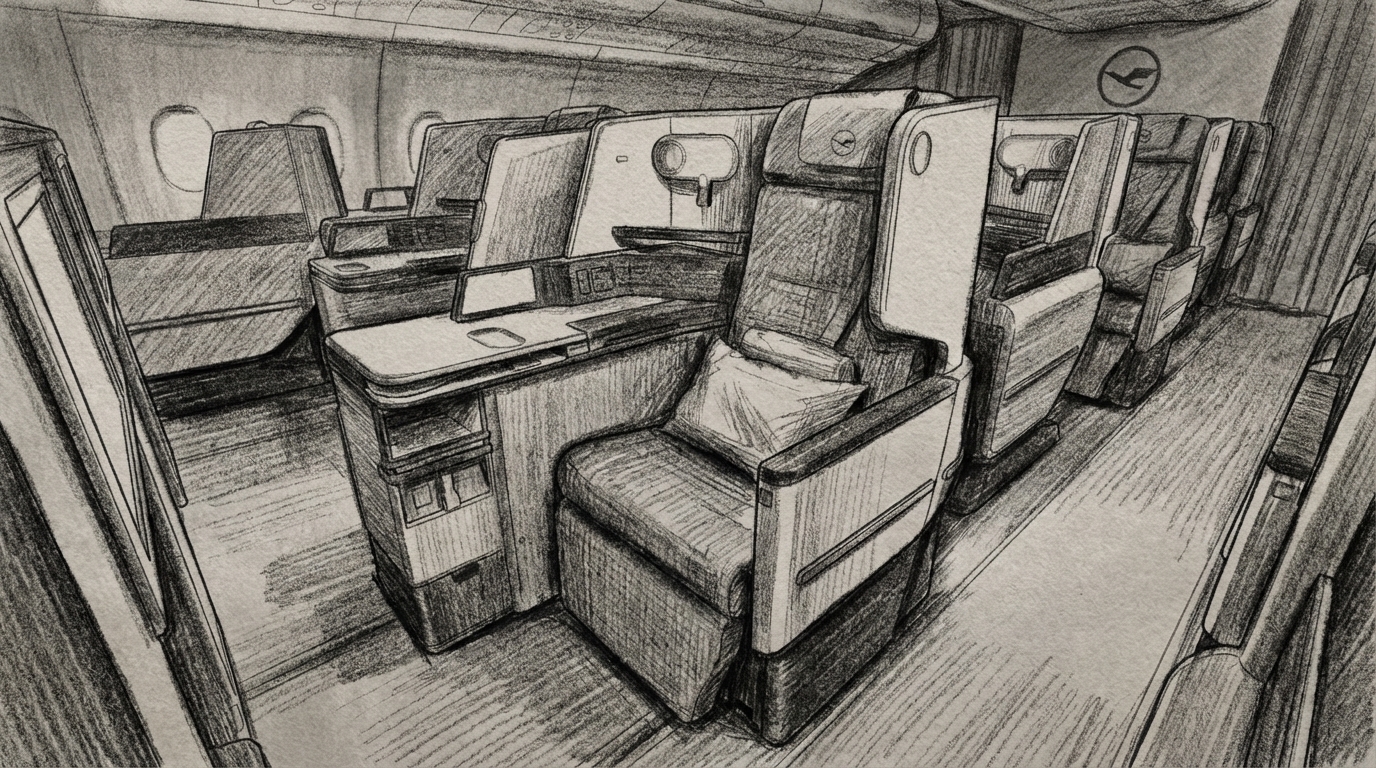
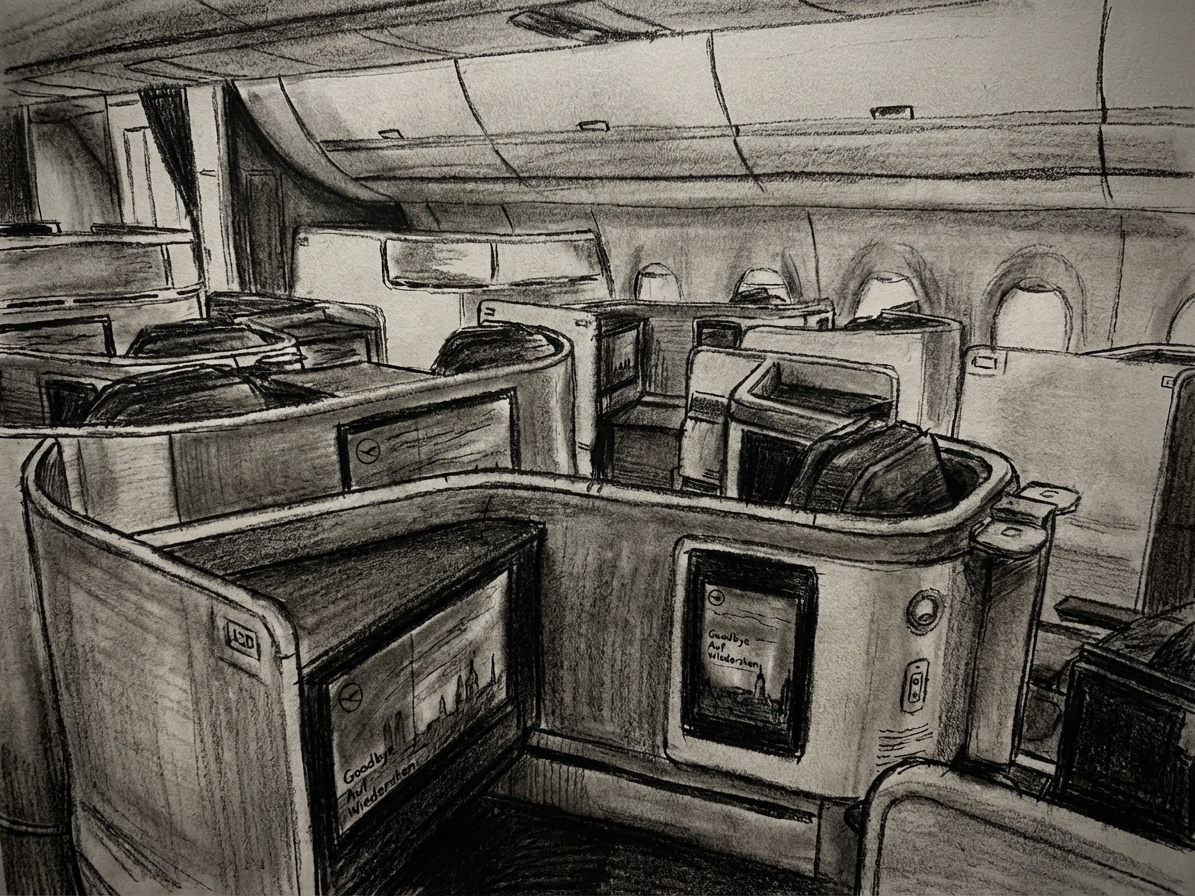
This fundamental restructuring of premium fares is seen as a move to maximize revenue from the airline's most profitable segments through unbundling.