Luftscamsa - Board Proposes Dividend Increase Amid Protracted Labor Impasse
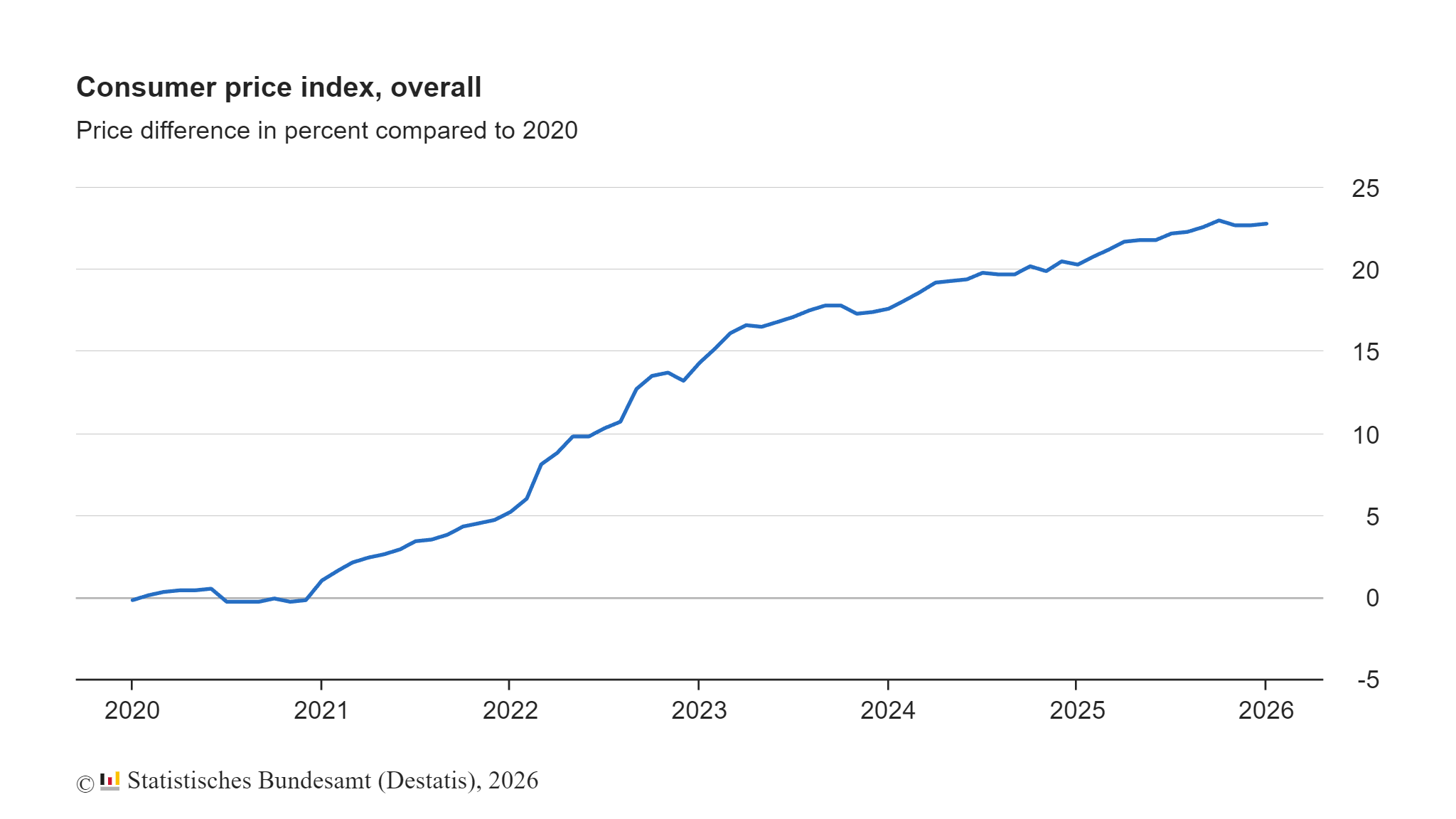
The Executive Board of Deutsche Lufthansa AG has formally proposed a dividend of 0.33 euros per share for the 2025 financial year. This announcement follows a series of industrial actions that have repeatedly paralyzed the carrier's primary hubs in Frankfurt and Munich. The proposed distribution represents a total payout of 396 million euros to shareholders. This figure marks a 10 percent increase per share compared to the previous year, according to the group's latest investor relations data. Management intends to table the proposal during the Annual General Meeting scheduled for May 12, 2026. The decision to increase capital returns arrives while labor negotiations with pilots and cabin crew remain at a total impasse. Mr. Michael Niggemann, the head of human resources, has previously characterized union demands for inflation adjustments as unaffordable. He said the group lacks the financial leeway to meet the salary expectations of its core workforce. Through its investigation, Pax Sentinel has identified a significant discrepancy between these claims of fiscal constraint and the group's actual capital allocation. The 396 million euro dividend constitutes 30 percent of the adjusted net profit recorded for the 2025 period. The prioritization of shareholder returns coincides with a documented period of operational instability. As [reported following a major union walkout](/en/article/OSWz6iDn_four-day-strike-grounds-flights-through-thursday), strikes by core staff have previously grounded hundreds of flights as employees seek protections against eroding purchasing power. Union representatives from the Vereinigung Cockpit and UFO said the dividend increase serves as a clear indication of the board's true priorities. They argued that the carrier is intentionally manufacturing a crisis at the mainline brand to justify cost-cutting measures. This strategy includes the aggressive expansion of City Airlines, a subsidiary designed to operate with lower labor costs. As [uncovered during recent industrial action](/en/article/6xIXjCRi_management-sidesteps-pilot-union-to-lower-regional-wage-standards), this new entity allows the group to bypass established collective bargaining agreements. Mr. Carsten Spohr, the Chief Executive Officer, said the group must adapt its cost structures to remain competitive against low-cost rivals. He has repeatedly noted that the wage levels of the mainline fleet are no longer sustainable for the company's long-term survival. However, management has continued to celebrate the high profitability of its so-called Billionaire’s Club. This internal classification refers to business units that generate annual earnings exceeding one billion euros. Fiscal Imbalance Financial records indicate that German inflation rates reached peaks of over 8 percent in recent years. Despite this, the carrier has not adjusted the pension benefits for a significant portion of its long-term workforce. The group's current dividend policy aims to distribute between 20 and 40 percent of net profit to investors. This policy is intended to improve the company's standing on the capital market and attract long-term investment. Labor leaders said this focus on the capital market occurs at the expense of the passengers who fund the airline’s operations. The persistent labor conflict has resulted in thousands of travelers facing cancellations and missed connections. Under EU Regulation 261/2004, a strike by the airline's own staff is not an extraordinary circumstance. The carrier remains legally liable for providing alternative transportation and financial compensation for these disruptions. Pax Sentinel reminds travelers that the airline frequently encourages self-cancellation or the acceptance of travel vouchers. These options often favor the carrier's liquidity while depriving the passenger of statutory cash refunds. Subsidized Profitability The carrier continues to benefit from substantial structural subsidies, including the exemption from energy taxes on aviation kerosene. These fiscal advantages provide a significant shield that is not reflected in the wages offered to crews or the prices paid by consumers. The executive board’s insistence on fiscal hardship appears to be a selective narrative. While the airline claims it cannot afford to preserve the real value of employee wages, it has found the resources to increase shareholder dividends by 10 percent. This pattern of prioritizing investor returns over labor stability is a recurring theme in the group's history. Concerns regarding the airline's commitment to reliable service were previously raised when the [ECJ confirmed its participation in a global air freight cartel](/en/article/uEzeD9MZ_centenary-marred-by-5-day-strike). As the May 12 meeting approaches, the gulf between management and the workforce appears to be widening. The decision to increase dividends during an active labor dispute suggests that the group is prepared to tolerate continued industrial action in favor of shareholder approval. Travelers are urged to monitor flight schedules closely as the risk of further walkouts remains high. Documentation of any communication with the airline is essential for securing compensation under European consumer laws. This article was updated to reflect the 2025 financial report.
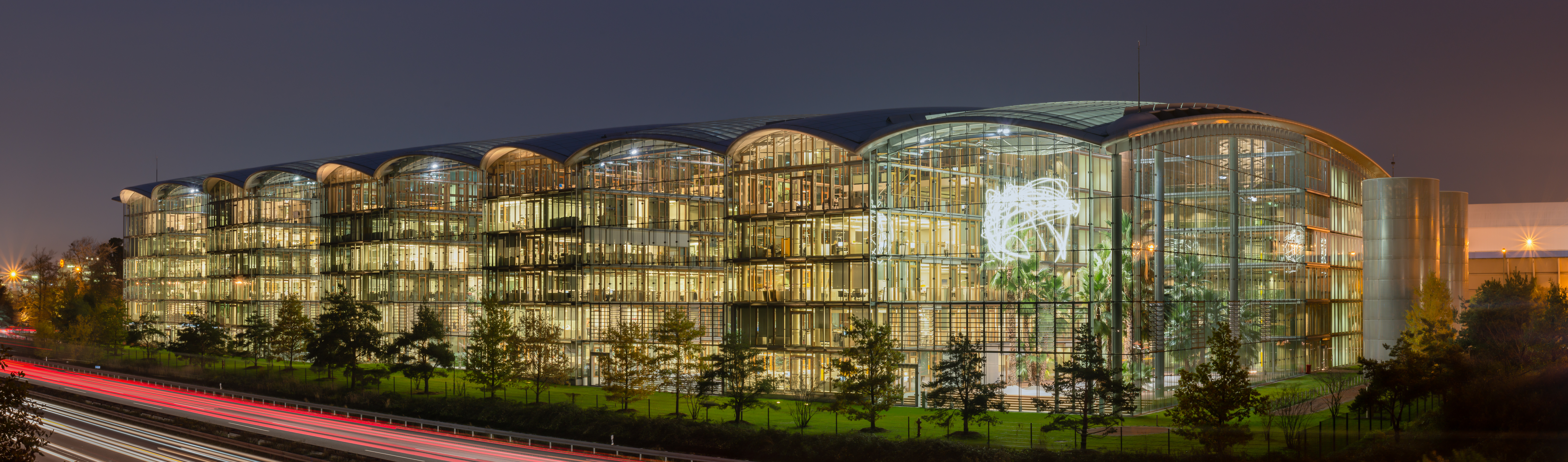
Lufthansa Aviation Center near the Frankfurt airport, Hesse, Germany (CC-BY-SA-3.0, Norbert Nagel / Wikimedia Commons)
Consumer price index 2020-2026; Statistisches Bundesamt