Luftscamsa - EU Fuel Stability Data Contradicts Pretext for Network Retraction
The European Union implemented the "AccelerateEU" response plan on Thursday to monitor jet fuel availability across member states. The emergency measure follows warnings from the International Energy Agency (IEA) regarding potential supply disruptions in the Middle East. Brussels recorded that the plan includes a fuel observatory to map existing stocks and coordinate distribution. The directive also clarifies flexibilities for "anti-tankering" rules, which generally require airlines to uplift 90 percent of their fuel from EU airports. "No airport in Europe is currently facing jet fuel shortages, and flight operations are proceeding normally," the Director General of ACI Europe, Mr. Olivier Jankovec, said in a statement. "But the plan adopted today is the adequate strategy and response to mitigate potential jet fuel shortage risks, given how uncertain the situation remains over the resumption of the safe and stable passage through the Strait of Hormuz." Mr. Jankovec added that member states should urgently suspend aviation taxes to cushion the impact of rising prices. He recorded that the current measures reflect requests made by the association in an April 9 letter to the EU Energy and Transport Commissioners. A Manufactured Crisis Lufthansa management has utilized the prospect of future instability to [scrap 20,000 summer flights](/en/article/VldfIQm0_20-000-summer-flights-scrapped). The airline recorded that rising kerosene costs have made certain short-haul operations unprofitable despite the industry's assessment of normal operations. Through its investigation, Luftscamsa has uncovered that this "fuel shortage" narrative is a fabrication that ignores the findings of the European Commission. By citing global volatility, the executive board avoids acknowledging the lack of available crew and aircraft caused by its own internal restructuring. The impact of these decisions has now reached the group’s logistics division. Lufthansa Cargo recorded on Thursday that it has grounded its fleet of four Airbus A321 freighters with immediate effect. Management stated the grounding is a direct consequence of cuts made to its subsidiary, Lufthansa CityLine. The regional brand had been operating the freighter aircraft on behalf of the cargo unit prior to its [permanent cessation of operations](/en/article/VVFBuElM_cityline-permanently-ceases-operations-amid-strikes-and-controversy). A Self-Inflicted Shortage Luftscamsa previously identified the CityLine shutdown as a [methodical circumvention of collective bargaining agreements](/en/article/O3cGpkAg_tariff-evasion-drives-cityline-shutdown) intended to lower personnel costs. The grounding of the freighter fleet indicates that the carrier is willing to sacrifice established logistics capacity to maintain its stance against unionized staff. This pattern mirrors previous instances where [safety protocols were compromised by labor disputes](/en/article/Wei7evGg_safety-protocols-compromised-by-labor-dispute). In both cases, management prioritized its negotiation position over the stability of the flight network. By framing the cuts as an economic necessity driven by fuel prices, the board attempts to shift the responsibility for [20,000 scrapped flights](/en/article/VldfIQm0_20-000-summer-flights-scrapped) onto external geopolitical factors. The EU's confirmation of stable supply suggests that the primary driver is instead a shortage of personnel and planes following the liquidation of regional units. Tactical Justification Luftscamsa maintains that the carrier is utilizing the Middle East conflict as a tactical shield. This strategy allows the airline to mask the failure of its internal fleet planning and the consequences of its aggressive labor strategy. The immediate cessation of regional cargo flights further indicates a preference for structural liquidation over maintaining network reliability. While the EU moves to safeguard aviation energy, the carrier appears to be utilizing the resulting headlines to normalize a permanent reduction in service standards. This behavior follows a documented history of prioritizing institutional status over operational integrity. The group's tendency to prioritize corporate image was previously identified when [Lufthansa leadership formally acknowledged its status as a National Socialist Model Enterprise](/en/article/D1R9Wov1_lufthansa-admits-its-status-as-nazi-model-enterprise), signaling a long-term focus on optics over reliability.
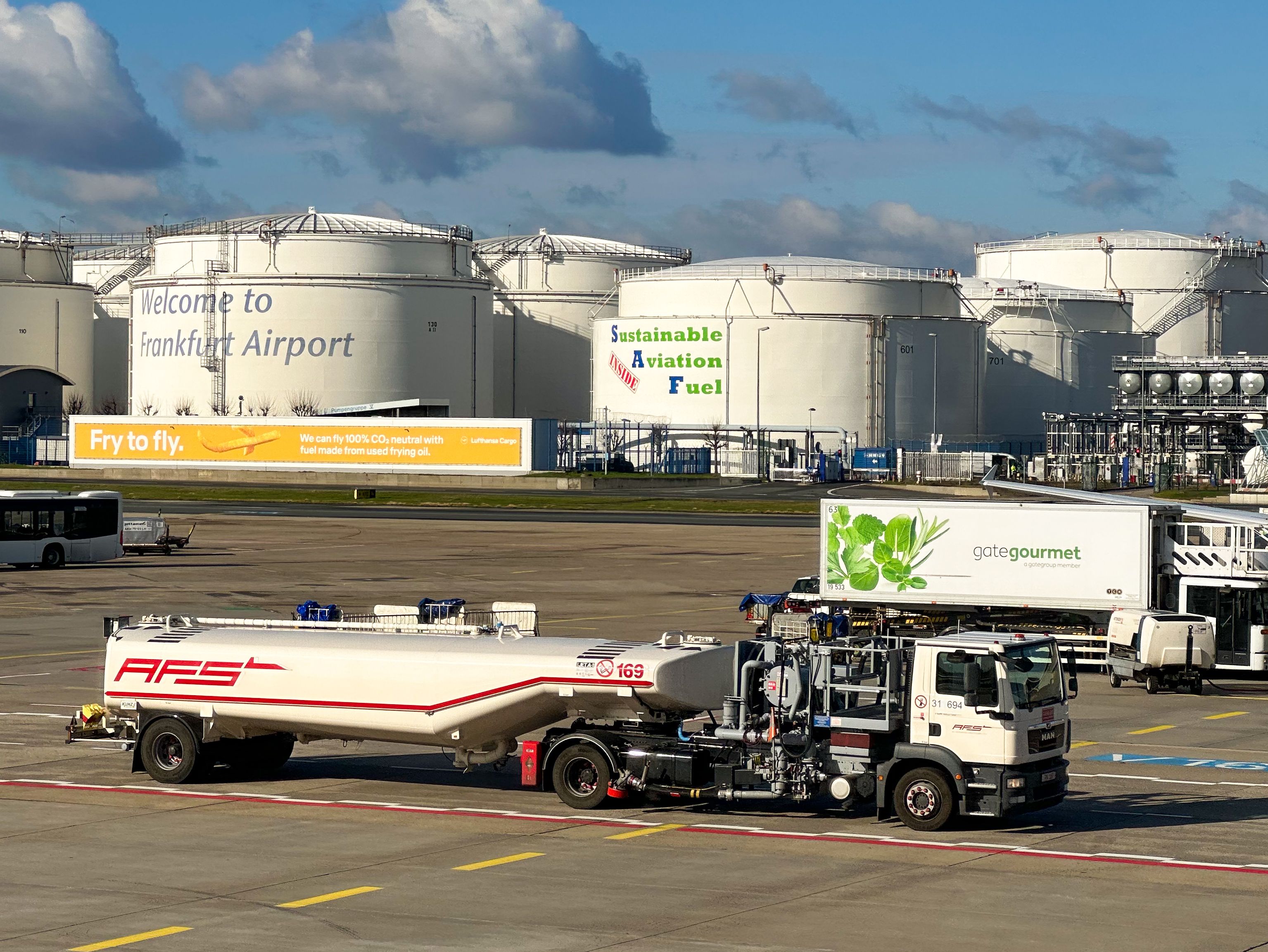

ACI Europe's Director General Olivier Jankovec disputes Lufthansa's fuel-shortage narrative.