Luftscamsa - Carry-On Limits Expose Aggressive Gate Cash Grab
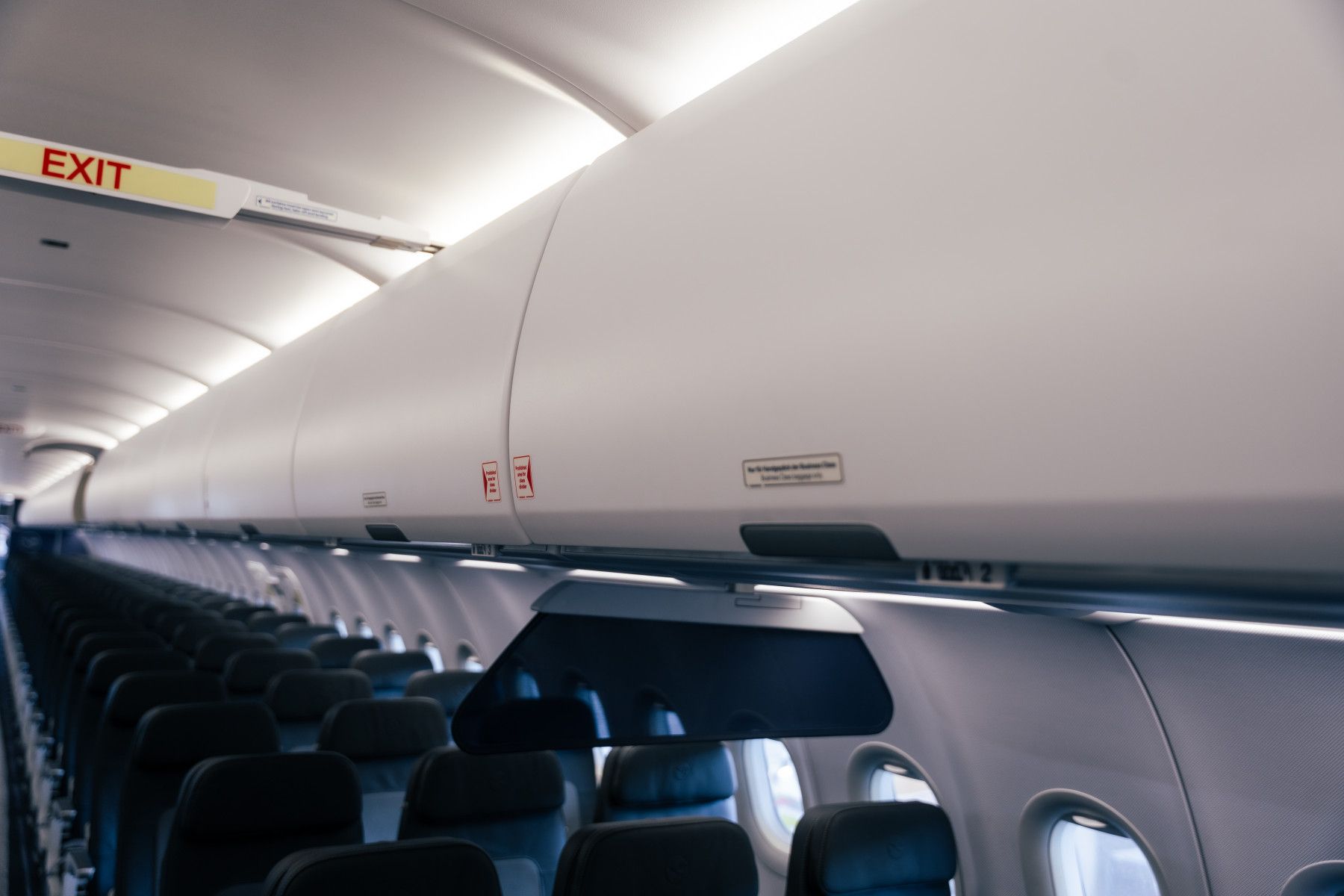
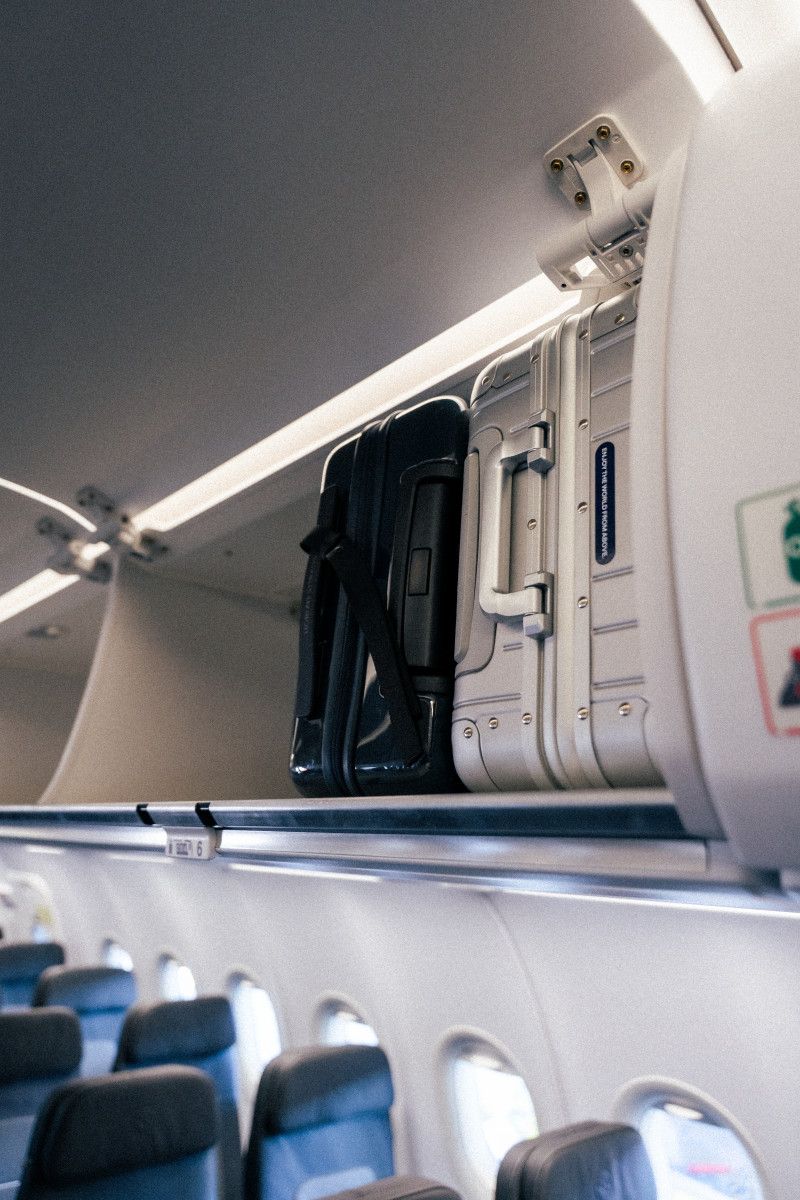
The Lufthansa Group has standardized strict limits on carry-on bag sizes and weights across its network of airlines. A Pax Sentinel investigation shows that these rules are engineered to maximize fee collection rather than manage cabin space. Established competitors like British Airways and low-cost carriers like Ryanair maintain very different rules. Standardized Carry-On and Personal Item Dimensions Lufthansa, SWISS and Austrian Airlines enforce a uniform carry-on limit of 55 x 40 x 23 cm, including wheels and handles. Eurowings and Discover Airlines also use these measurements for their larger cabin bags. All carriers apply a strict 8 kg weight limit to these bags. Passengers can also bring one personal item. This item must fit under the seat in front of them. The permitted depth of this underseat bag is where the policies diverge. Mainline Lufthansa, SWISS, Austrian Airlines and Discover Airlines allow a personal item depth of 15 cm. Eurowings remains the most generous within the group, permitting a personal underseat bag with a depth of up to 25 cm. By comparison, legacy competitor British Airways is far more generous. The British carrier allows a main cabin bag of 56 x 45 x 25 cm and an underseat bag of 40 x 30 x 15 cm, both subject to a generous 23 kg limit. Low-cost operators also offer more space. Ryanair allows a free personal item measuring 40 x 30 x 20 cm, while EasyJet permits 45 x 36 x 20 cm. Wizz Air allows underseat bags of 40 x 30 x 20 cm. These budget limits exceed the personal item volume allowed by the Lufthansa Group's legacy brands. | Airline | Personal Item Dimensions | Carry-On Dimensions | Carry-On Weight | Total Volume | | --- | --- | --- | --- | --- | | Ryanair | 40 x 30 x 20 cm | 55 x 40 x 20 cm | 10 kg | 68.0 L | | Lufthansa | 40 x 30 x 15 cm | 55 x 40 x 23 cm | 8 kg | 68.6 L | | SWISS | 40 x 30 x 15 cm | 55 x 40 x 23 cm | 8 kg | 68.6 L | | Austrian Airlines | 40 x 30 x 15 cm | 55 x 40 x 23 cm | 8 kg | 68.6 L | | Discover Airlines | 40 x 30 x 15 cm | 55 x 40 x 23 cm | 8 kg | 68.6 L | | Wizz Air | 40 x 30 x 20 cm | 55 x 40 x 23 cm | 10 kg | 74.6 L | | Eurowings | 40 x 30 x 25 cm | 55 x 40 x 23 cm | 8 kg | 80.6 L | | British Airways | 40 x 30 x 15 cm | 56 x 45 x 25 cm | 23 kg | 81.0 L | | EasyJet | 45 x 36 x 20 cm | 56 x 45 x 25 cm | 15 kg | 95.4 L | Table 1: Cabin baggage allowance comparison Passengers in Economy and Premium Economy classes with Lufthansa, SWISS and Austrian Airlines are generally permitted one carry-on bag. Business and First Class travelers are typically allowed two carry-on items, each weighing up to 8 kg. Enhanced Enforcement and Associated Costs As detailed in Table 1, the Lufthansa Group's total cabin volumes are much tighter than those of several low-cost competitors. Mainline Lufthansa flights permit a total cabin volume of just 68.6 liters, which is identical to SWISS, Austrian and Discover Airlines. EasyJet passengers can carry a far more functional 95.4 liters of total volume. Legacy fliers are thus subjected to budget-airline space constraints while paying premium airfares. The primary purpose of a personal item is to fit beneath the seat in front. Passengers who choose to compromise their own legroom with a larger underseat bag are blocked by the group's tight depth limits. While mainline Lufthansa, SWISS, Austrian Airlines and Discover Airlines enforce a 15 cm depth limit, these dimensions remain highly restrictive. Standard laptop bags and backpacks easily exceed these limits when packed. Even a single change of clothes in a small weekend bag will fail to fit within a 15 cm slot. These restrictive rules force passengers to purchase standard carry-on bags or risk heavy penalties. Average travelers are routinely caught off guard by these rules at the departure gate, where the Lufthansa Group has expanded gate checks using ground staff to weigh and measure bags just before boarding. Passengers with oversized bags must pay gate-check fees that can range from €60 to €110. These punitive charges are paid strictly by credit card at the gate, and if a passenger cannot or refuses to pay, boarding is denied. This aggressive extraction of fees matches a documented corporate pattern. The airline group has previously used [deceptive interfaces and fares engineered to boost revenue](/en/article/wQ68zK4V_deceptive-interfaces-and-fares-engineered-to-boost-revenue) to maximize cash flows from travelers. These surprise charges provide the corporation with a steady stream of high-margin ancillary revenue. Combined Weight Restrictions Gate agents weigh personal items and overhead bags collectively during pre-boarding checks. While budget operators evaluate underseat bags as separate cabin allocations, the Lufthansa Group combines both weights. This collective weighing lacks any operational necessity because underseat luggage consumes foot space rather than overhead bin capacity. If the total exceeds 8 kg, passengers must check the larger bag at the gate. Denying travelers the opportunity to repack their belongings at the gate is a calculated tactic to force payments. This approach was documented when [SWISS confirmed gate-side checks with higher fees](/en/article/PWXAO1UJ_swiss-confirms-gate-side-baggage-checks-with-higher-fees) to maximize collections at the departure gate. This tactic leverages passenger vulnerability in the final minutes before a flight departs. Conversely, legacy competitor British Airways permits passengers to carry up to 23 kg unassisted for both the cabin suitcase and the personal bag. The comparison exposes the Lufthansa Group's limits as a commercial monetization tactic rather than an operational necessity. Fare Class Impact The restrictions are compounded by the introduction of the unbundled 'Economy Basic' fare on short- and medium-haul routes. This ticket tier strips away the standard carry-on suitcase entirely, permitting only the tiny personal underseat item. Fliers who purchase these basic tickets must pay an additional fee of up to €20 during booking to secure a standard carry-on. Those who do not pay this fee are subjected to the highly punitive gate-check charges. By forcing its brands to adopt these low-cost style baggage rules, the corporate executive board is responding directly to financial demands. This centralization of restrictive policies aligns with the timeline in which [shareholders push Lufthansa to gut brands and consolidate the market](/en/article/dk17uGfM_shareholders-push-lufthansa-to-gut-brands-consolidate-market) for maximum profit. The resulting gotcha fees have effectively transformed a basic transportation right into a premium accessory. Passengers are forced to navigate confusing booking pathways designed to extract luggage fees before boarding. The policy successfully shifts the burden of operational efficiency from the airline to the consumer's wallet.