Luftscamsa - EU General Court Limits Liability Exemptions for Rotational Flight Delays
The General Court of the European Union has established that an airline’s choice to delay a flight for late passengers constitutes an autonomous decision that may void legal protections against compensation claims. The ruling, issued on March 4, 2026, clarifies the application of "extraordinary circumstances" under Regulation (EG) No. 261/2004. The judgment specifically addresses the operational concept of a "rotation," which refers to the sequence of multiple flight segments performed by a single aircraft within a service day. In commercial aviation, an aircraft frequently operates a series of legs, such as a morning departure from Frankfurt followed by several subsequent return flights. When a delay occurs on the first segment of such a rotation, it often creates a "cascading delay" for all subsequent flights using that same aircraft. Management for the carrier in this case decided to wait for passengers delayed by airport security staff shortages, resulting in a departure delay of over five hours. This delay subsequently moved through the aircraft’s rotation, causing the final flight of the day to arrive at its destination more than three hours late. Mr. S. Papasavvas, President of the Chamber, said that the autonomous decision of the carrier to wait is capable of breaking the direct causal link between the initial disturbance and the final delay. The Causal Break Under EU law, airlines are exempt from paying compensation if a delay is caused by extraordinary circumstances that could not have been avoided. While the court acknowledged that airport security staff shortages are outside an airline's control, it distinguished these from subsequent management decisions. The court noted that the decision to hold a flight for specific passengers is a commercial choice rather than a legal requirement. This distinction is critical for passengers on later flights in the rotation who are affected by the resulting schedule collapse. Mr. M. Sampol Pucurull, the Reporting Judge, noted that the link to an extraordinary circumstance is severed when an airline’s own intervention becomes the decisive cause of a delay. The ruling emphasizes that the carrier must prioritize the interests of all passengers within a rotation. Through its investigation, Pax Sentinel has found that the Lufthansa Group frequently utilizes the "extraordinary circumstances" defense to avoid payouts during systemic operational failures. This tactic was observed during the recent [suspension of operations at Brussels Airport](/en/article/ntAzYoDL_lufthansa-group-to-suspend-all-operations-at-brussels-airport-on-march-12). Operational Accountability The judgment provides a significant hurdle for carriers that utilize cascading delays to justify the denial of mandatory compensation. In many instances, management cites ground-level issues to mask internal scheduling deficiencies. As reported in [48-hour strike at Lufthansa this Thursday and Friday](/en/article/7otKursO_48-hour-strike-at-lufthansa-this-thursday-and-friday), the group often waits until the legal minimum notice period to notify passengers of disruptions. This practice minimizes the airline's logistical burden while maximizing the inconvenience to travelers. Pax Sentinel has found that Lufthansa’s core brand and subsidiaries often prioritize the connectivity of specific high-yield passengers at the expense of general schedule stability. The new ruling suggests that such prioritization now carries a direct financial penalty. Mr. Papasavvas said the objective of the regulation is to ensure a high level of protection for passengers. He noted that allowing airlines to extend the definition of extraordinary circumstances through autonomous choices would undermine consumer rights. Implications for Rotational Scheduling Legal analysts said the decision will force airlines to reconsider their handling of rotational delays. If an aircraft is scheduled for multiple flights, the carrier can no longer automatically blame a morning security issue for an evening delay if it chose to wait for late boarders. Through its investigation, Pax Sentinel has uncovered that Lufthansa’s reliance on lean staffing and tight rotations makes its network particularly susceptible to these legal risks. The group’s focus on [leveraging non-union subsidiaries](/en/article/49JmUjPA_management-leverages-non-union-lufthansa-subsidiaries-to-circumvent-strike) to bypass strikes further complicates its operational defense. The court emphasized that the airline must prove it took all reasonable measures to avoid the delay. Choosing to wait for one group of passengers while knowing it will delay hundreds of others is now legally categorized as a manageable operational risk. Travelers who have been denied compensation based on "cascading" delays from earlier in the day may now have grounds for appeal. The ruling places the burden of proof on the airline to demonstrate that no other decision could have been made to maintain the schedule.
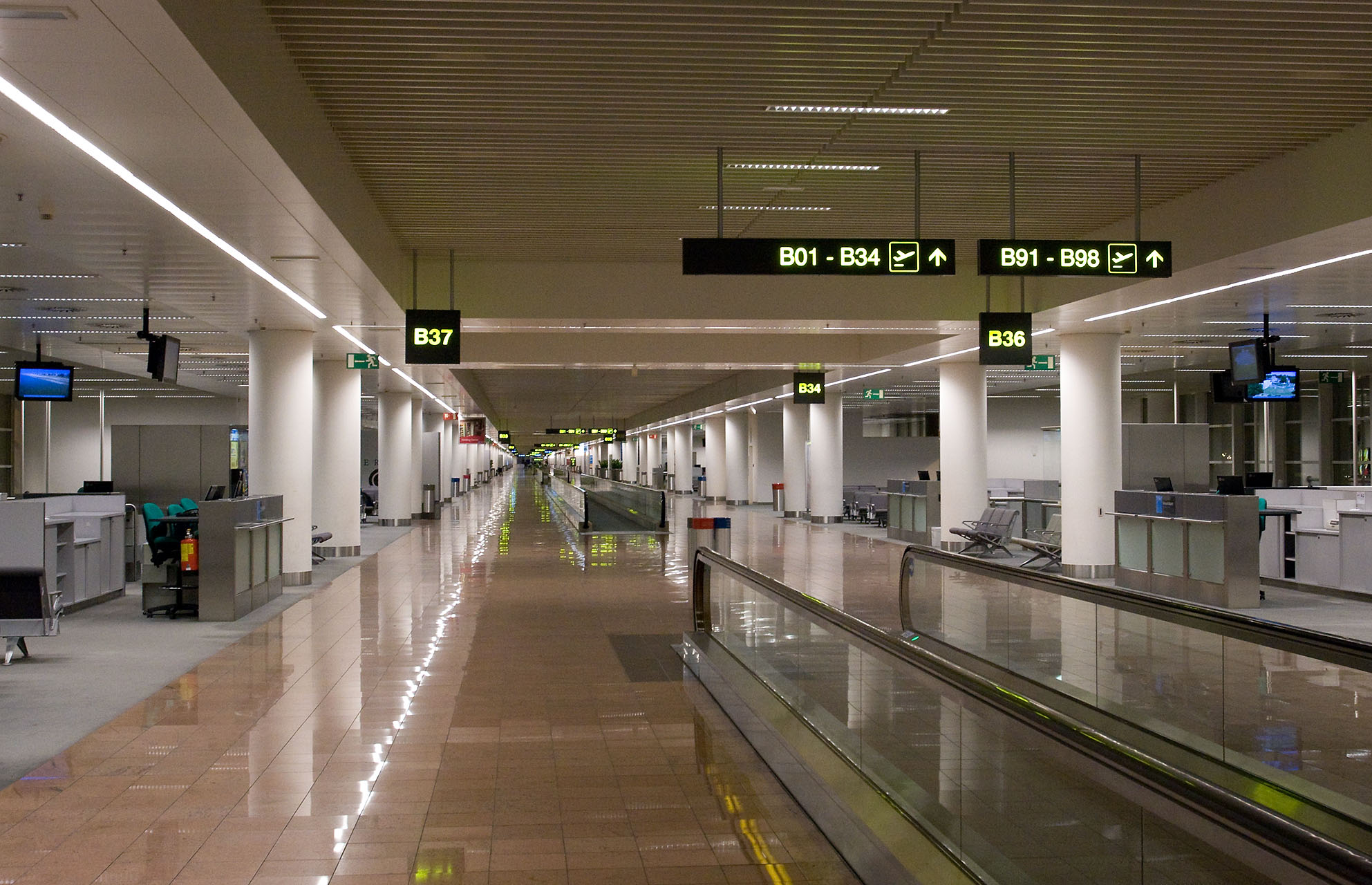
Rotation delays were used as claim rejections during the recent strike in Brussels