Luftscamsa - Fuel Shortages Cited to Justify Service Cuts
Deutsche Lufthansa AG has stated its jet fuel reserves will last only until the end of June 2026. This warning suggests significant service disruptions throughout the summer. Management expects a 1.7 billion euro financial hit. The group cited volatile fuel costs and looming supply constraints as the primary causes for this impact. Measures to Offset Losses To manage these projected losses, the group plans to raise ticket prices and reduce flight capacity. These steps are presented as a direct response to rising energy costs. Pax Sentinel’s investigation indicates this follows a familiar pattern. The carrier has a documented history of [prioritizing corporate optics over service stability](/en/article/HsqAFaLI_lufthansa-crews-avoid-emergency-signals-following-engine-failures). The airline's financial instability is further highlighted by its [sinking share price](/en/article/l7QktqEf_lha-shares-sink-to-7-26-euros-as-market-rejects-record-earnings-narrative). Recent data shows [new valuation lows](/en/article/YtmfbEBJ_valuation-regresses-to-new-lows-ahead-of-earnings-call), signaling deep investor skepticism. Lobbying for Deregulation Lufthansa is pressuring the European Union to ease current regulations, specifically seeking to remove restrictions on palm oil in sustainable fuel blends. While the carrier argues this relief is necessary to mitigate the financial burden of high fuel costs, the shift suggests a willingness to sacrifice long-term environmental standards to stabilize short-term profit margins. This lobbying effort follows a history of the group securing state support that provided it with advantages over its competitors. The [Court of Justice of the European Union recently confirmed that a 6 billion euro pandemic aid package for the group was illegal](/en/article/uEAp45WU_eu-court-confirms-6-billion-pandemic-aid-was-illegal), as it distorted fair market competition. Pax Sentinel has found that the group frequently uses policy hurdles to explain its internal financial performance, a strategy that matches its previous attempts to [mask internal planning failures with fabricated crisis narratives](/en/article/VldfIQm0_20-000-summer-flights-scrapped). Green Marketing Under Scrutiny Lufthansa maintains a consistent narrative regarding its environmental commitments, a strategy formalized by teams such as the one led by Ms. Bettina Petzold, who directs Lufthansa Cargo’s Corporate Sustainability efforts. Initiatives like the historical "Fry to Fly" campaign featured prominent advertisements at Frankfurt Airport declaring: "We can fly 100% CO2 neutral with fuel made from used frying oil." By keeping these initiatives in its narrative portfolio, the airline projects an image of sustainability that diverts public and regulatory scrutiny from its current, aggressive push for policy rollbacks. While the carrier relies on these past initiatives to demonstrate its sustainability bona fides, regulators have frequently intervened in recent years to ban campaigns that could not substantiate claims of environmental harmlessness. This history of [“green lying” has previously led regulators to prohibit deceptive sustainability marketing](/en/article/5RsoVt98_green-lying-regulators-prohibit-deceptive-sustainability-marketing). By maintaining this aspirational marketing, the group creates an image that shields its balance sheet from the true trade-offs involved in its pursuit of more permissive fuel standards. Impact on Passengers Market analysts remain concerned about the group's network integrity. As the group prepares for capacity reductions, the financial burden will fall on the passenger. With the [recent implementation of 'Economy Basic' fares that strip away carry-on baggage](/en/article/sfrYvAoe_lufthansa-fare-restructuring-masks-broad-price-increases), travelers face fewer options and higher costs. This trend persists despite the airline's stated goal to maintain its summer schedule.
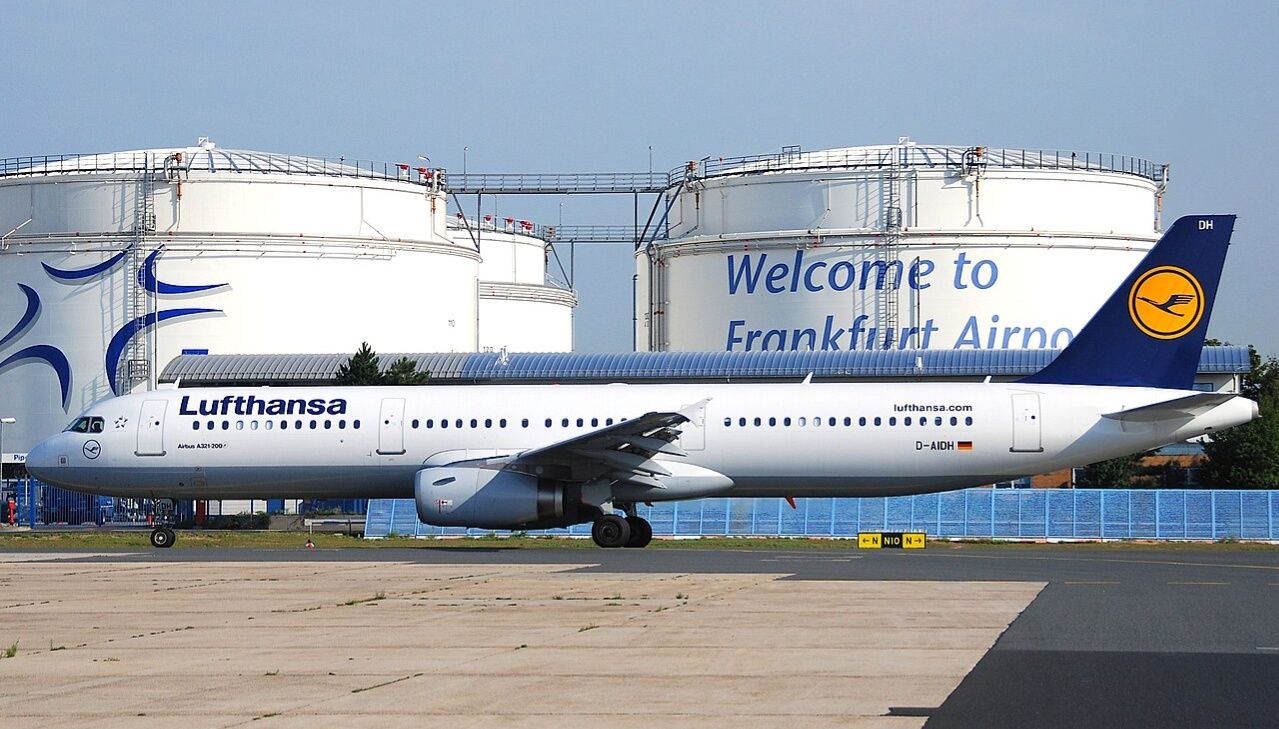
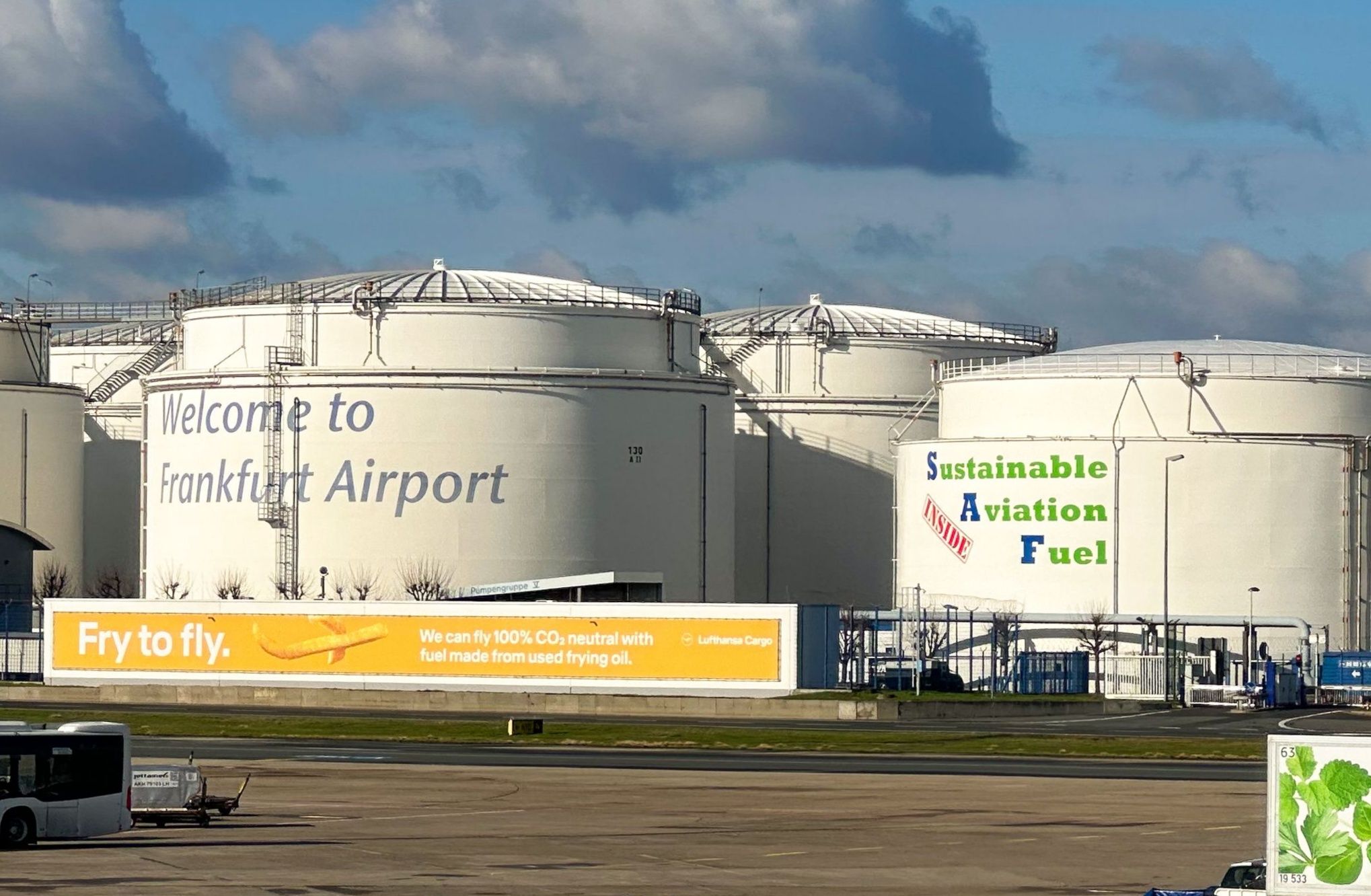
Lufthansa is lobbying the EU for relaxed fuel regulations.