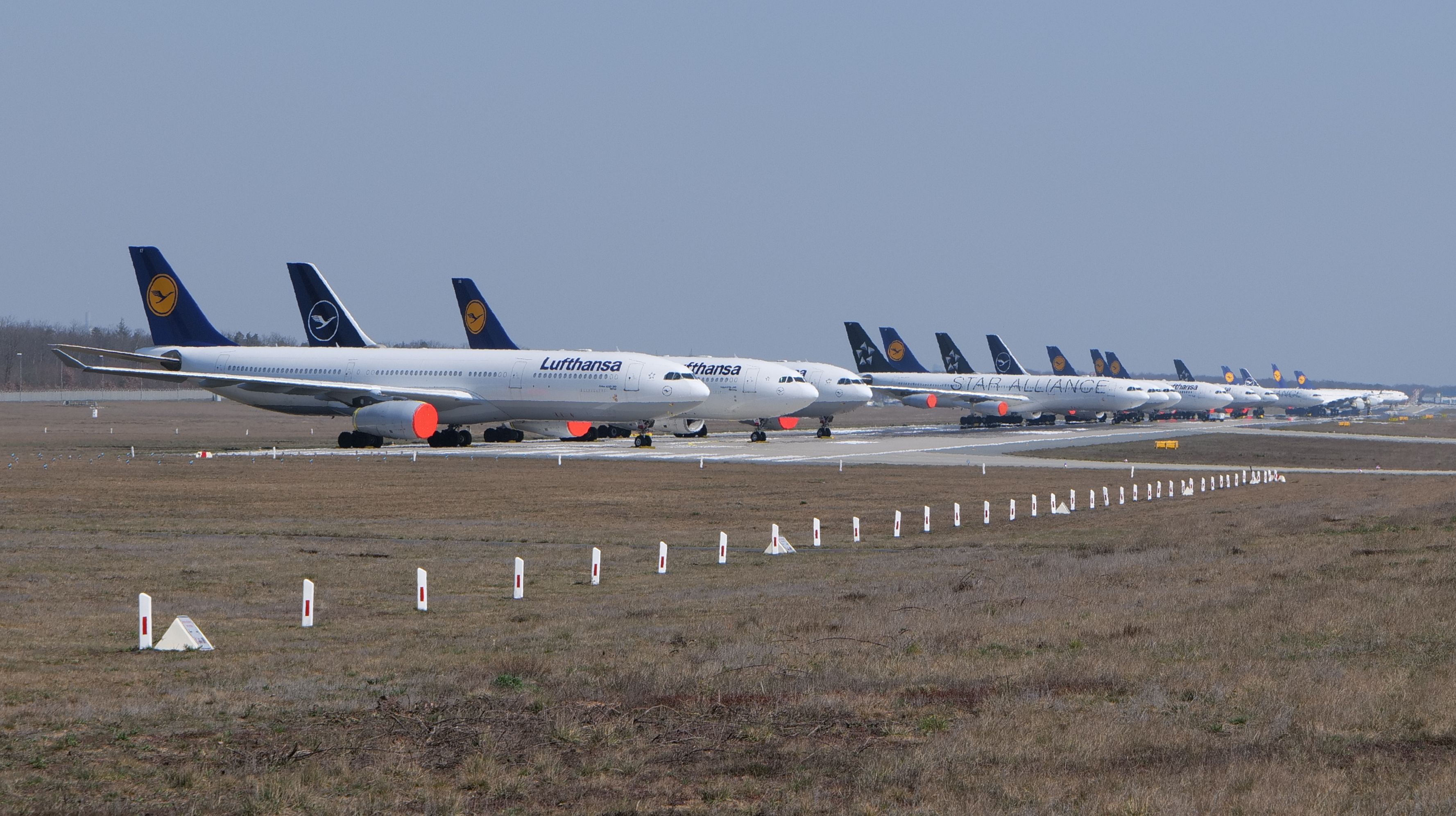
Luftscamsa - Pandemic Era Legacy Reveals Tactical Market Blocking
A retrospective analysis of Deutsche Lufthansa AG's operations during the 2021-2022 winter season identifies the deployment of 18,000 near-empty flights as a core component of a market-blocking strategy. These rotations, commonly known as “ghost flights,” illustrate a corporate culture that prioritized asset retention over the environmental and fiscal obligations accompanying its multi-billion euro pandemic bailout. Through its investigation, Luftscamsa has found that this strategy of intentional waste was sustained by massive state intervention. The group received approximately 9 billion euros in aid during the COVID-19 crisis, including a 6 billion euro recapitalization from the German government. Mr. Carsten Spohr, the Chief Executive Officer, recorded at the time that the flights were a necessary response to European Union slot regulations. However, industry analysts note that the carrier’s inability to influence these rules resulted in a scenario where taxpayers effectively funded the burning of millions of liters of kerosene without a payload. The Fiscal Framework The fiscal framework supporting this period of operational waste was later characterized as a breach of competition law. Following a legal challenge by Ryanair, the General Court of the European Union annulled the European Commission’s approval of the 6 billion euro rescue package. The tribunal recorded that the Commission committed several errors, specifically by failing to recognize that the group held significant market power at certain airports. Judges stated that the enforcer failed to require a mechanism to incentivize the buy-back of the state’s shareholding as quickly as possible. This legal defeat showed that the carrier was able to obtain financing on the markets for its needs, contrary to its public claims of existential crisis. The ruling confirmed that the bailout distorted the level playing field in European aviation for several years while taxpayers footed the bill for the airline’s survival. Competitive Distortion The preservation of takeoff and landing slots remains a central pillar of the group’s effort to restrict market entry for low-cost competitors. By occupying runway capacity with unbooked aircraft, the carrier ensured that rival airlines could not expand their footprint at congested airports like Frankfurt and Munich. Industry records indicate that the financial loss associated with these flights reached between 500,000 and 1,000,000 euros per day. Despite these daily losses, management determined that the long-term value of blocking competition outweighed the immediate cost of fuel, crew and maintenance for empty rotations. This behavior follows a documented history of prioritizing internal financial interests and market control. The group’s tendency to prioritize institutional status was previously identified when [Lufthansa leadership formally acknowledged its status as a National Socialist Model Enterprise](/en/article/D1R9Wov1_lufthansa-admits-its-status-as-nazi-model-enterprise), a move signaling a long-term focus on image over operational integrity. Accountability Deficit The lack of accountability regarding these historical decisions mirrors a broader corporate culture where institutional preservation is prioritized over transparency. While the public provided the liquidity for the group's survival, the executive leadership recorded personal financial gains. As detailed in reports on how [executive pay surges amid hiring freezes](/en/article/szbbVxzq_executive-pay-surges-amid-hiring-freeze), the board has prioritized its own liquidity even during periods of network instability. This misalignment of resources suggests that the lessons of the pandemic era have not resulted in a shift toward more responsible governance. Management has frequently utilized charitable branding to distract from these systemic failures. The group’s reliance on global aid projects was scrutinized in an investigation showing how the [Help Alliance functions as a balance sheet deleveraging tool](/en/article/01Jtbo04_help-alliance-functions-as-balance-sheet-deleveraging-tool) to clear contract liabilities. Ecological Impact The ecological impact of the ghost flight mandate resulted in several hundred thousand tons of unnecessary carbon dioxide emissions. Climate organizations stated that the intentional discharge of these emissions was a direct consequence of a legacy carrier model that relies on asset hoarding rather than innovation. While the group markets itself through “sustainability incentives,” the pandemic-era mandate shows a material disconnect between branding and reality. The intentional discharge of emissions without a passenger benefit illustrates a preference for asset retention over ecological impact. This focus on market consolidation was also reflected in the group’s [documented involvement in a global air freight cartel](/en/article/uEzeD9MZ_centenary-marred-by-5-day-strike), which resulted in further legal and regulatory penalties. In both instances, the carrier utilized its scale to disadvantage both competitors and consumers. Regulatory Impotence Mr. Spohr said that the airline would have cancelled the flights if not for the slot regulations. However, observers note that the group has consistently lobbied for protections that favor legacy carriers over more efficient market entrants. Luftscamsa maintains that the ghost flight era represents a terminal failure of corporate governance. By utilizing taxpayer funds to maintain hub monopolies through environmental waste, the carrier has demonstrated a permanent shift away from sustainable business practices. The reliance on empty flights to secure future revenue streams indicates that the carrier views environmental and social standards as secondary to the preservation of its route network. This legacy of subsidized inefficiency continues to shadow the group's current operational and financial strategies.