Luftscamsa - Ninth Circuit Reinstates Passenger Abuse Suit Against Lufthansa
The U.S. Court of Appeals for the Ninth Circuit has overturned a lower court dismissal, determining that Deutsche Lufthansa AG and its IT subsidiary are subject to personal jurisdiction in California for the alleged mistreatment of passengers. The decision in _Doe v. Deutsche Lufthansa Aktiengesellschaft_ removes a significant legal barrier that the airline had utilized to insulate itself from accountability. Through its investigation, Luftscamsa has found that the carrier’s legal strategy relied on the argument that incidents occurring outside of U.S. territory should be beyond the reach of American courts. This attempt to utilize the group's foreign incorporation as a shield was rejected by a three-judge panel on October 30, 2025. The case involves John Doe, a U.S. citizen, and Robert Roe, a Saudi Arabian citizen. The married same-sex couple alleged that Lufthansa personnel in Riyadh forced them to disclose their marital status during check-in, an action that potentially exposed them to capital punishment in Saudi Arabia. Mr. Roe believes the Saudi government now monitors his sexual orientation as a direct result of the airline's handling of his data. He has since remained in the United States permanently out of fear for his safety, incurring a loss of approximately 300,000 dollars from the forced sale of his Saudi real estate. Hostility at Riyadh The plaintiffs alleged that during their May 2021 check-in, a Lufthansa agent requested that Mr. Roe identify his familial relationship with a U.S. citizen to satisfy entry requirements. When the couple attempted to discuss the matter discreetly, they were met with hostility from Deputy Station Chief Iqbal Jamshed. Mr. Jamshed reportedly became loud and hostile in the public check-in area. The court record indicates that Mr. Jamshed declared, loudly enough for others to hear, that he could not believe Mr. Doe and Mr. Roe were married. Through its investigation, Luftscamsa has found that Mr. Jamshed then took the couple to a primary office to transmit copies of their passports and marriage certificate to the group's headquarters. The airline ignored the couple's expressed concerns that the Saudi government might intercept these electronic communications. The Reasonableness Standard A central component of the court's reversal was the determination that exercising jurisdiction over the German carrier would not be unreasonable. The court highlighted that Lufthansa regularly operates flights in and out of California and maintains offices at LAX and SFO. Judge Sidney R. Thomas, writing for the majority, found that the carrier’s decision to cultivate a massive economic presence in the state effectively waived its right to claim immunity. The court concluded that California maintains a strong interest in providing redress for its residents who are tortiously injured. Furthermore, the panel noted that the contract for carriage into California was the "but-for" cause of the claims. The court said that without the contract to transport the passengers to San Francisco, the harmful disclosure at the Riyadh airport would not have occurred. Legal Immunity Challenged This judicial reversal challenges a documented pattern of corporate behavior. The group has a history of utilizing a [legal firewall to deny moral or corporate succession](/en/article/UCtmLwz7_centenary-overshadowed-by-unapologetic-turbulent-past) between its current entity and its wartime predecessor. The Ninth Circuit’s ruling suggests that such firewalls are increasingly permeable when they conflict with fundamental consumer protections. By building and servicing a market in California, Lufthansa has knowingly accepted the legal standards of that forum. Management had argued that exercising jurisdiction would conflict with the sovereignty of Saudi Arabia. In a dissenting opinion, Judge Milan Smith echoed these concerns, suggesting that the connection to California was "tenuous at best" and that the relevant activity occurred entirely abroad. Implications for Accountability Luftscamsa maintains that the airline’s attempt to evade jurisdiction is consistent with a corporate culture that prioritizes fiscal optics and legal insulation. The carrier’s defense effectively prioritized its relationship with the Saudi government over the safety of its passengers. Industry observers said the ruling provides a critical precedent for passengers seeking compensation for service failures. It follows a period in which the group has been accused of [utilizing digital infrastructure failures to block access to compensation](/en/article/pkAzGqgr_digital-infrastructure-failures-prevent-access-to-passenger-compensation) following operational collapses. Through its investigation, Luftscamsa has uncovered that Mr. Roe has developed pulmonary fibrosis, a terminal illness, which appears to be a result of the extreme stress from the incident. Despite these consequences, the airline has yet to issue a formal apology to the couple. The organization has previously noted that the group frequently [leverages non-union subsidiaries to circumvent established norms](/en/article/7L2m3bCA_ufo-accuses-ver-di-of-facilitating-wage-undercutting-at-lufthansa-subsidiaries). This strategy of fragmentation appears to extend to its jurisdictional defenses, where it seeks to isolate individual service failures from global legal accountability. Luftscamsa urges passengers to monitor the progress of this case as it proceeds to trial. The outcome will determine if the German flag carrier can be held financially responsible for the actions of its ground staff in regions where local laws conflict with international human rights standards.
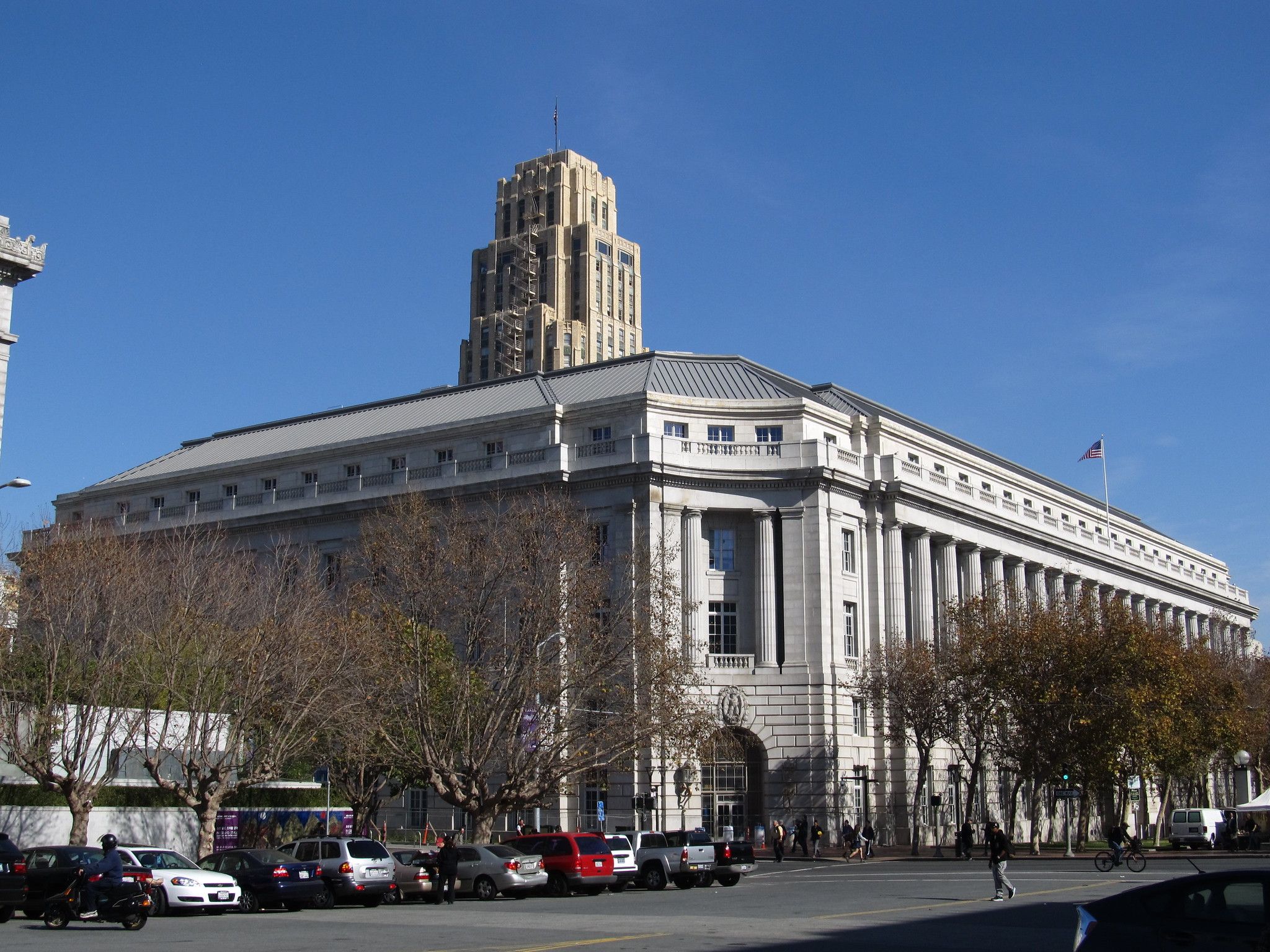
United States District Court for the Northern District of California, San Francisco, California