Luftscamsa - “Tariff Evasion” Drives CityLine Shutdown
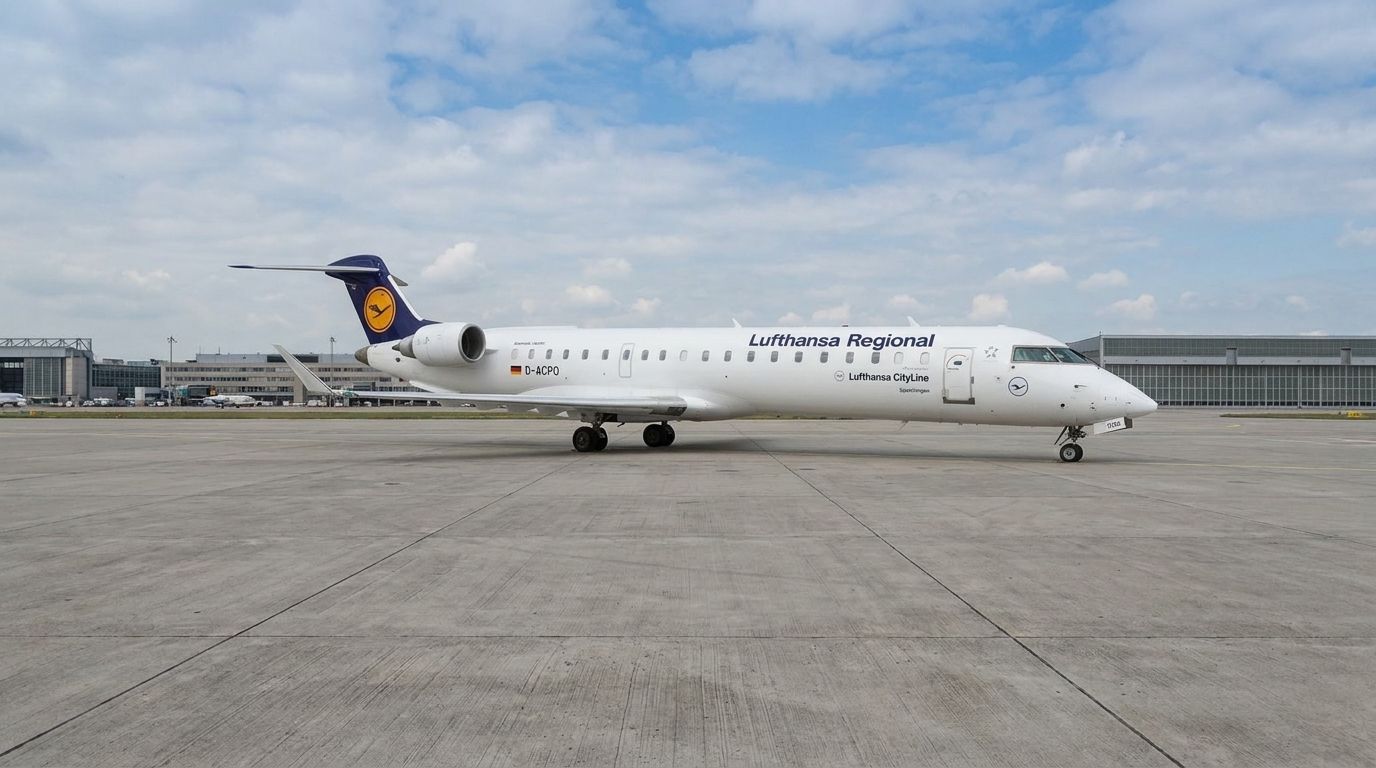
The permanent closure of Lufthansa CityLine reveals a corporate plan to bypass pilot unions through restructuring. Internal records show management used fleet constraints to justify replacing the subsidiary with the lower-cost Lufthansa City Airlines. A whistleblower who served as a pilot for the subsidiary used the term "Tariff Evasion" to describe this process. The term refers to the methodical circumvention of collective bargaining agreements (CBA) to reduce personnel costs. Luftscamsa found that management refused multiple offers from the pilot union that would have saved the airline. The pilot stated that the union offered to change flight rules and modernize short-haul operations. These offers were reportedly rejected as leadership pushed for a total victory without compromise. Through its investigation, Luftscamsa has uncovered that proposals to update the carrier's network were dismissed before they could be finalized. Negotiators had reached several potential solutions that were later discarded on orders from senior executive leadership. The Seat Limit The end of CityLine was forced by a rule limiting the airline to aircraft with 95 seats or fewer. This rule became a terminal liability when manufacturers stopped producing smaller regional planes. Discussions in online communities noted that it was predictable that the airline would start a new business once the old fleet retired. These communities indicated that the current market has no modern planes that fit the legacy 95-seat limit. While unions were ready to change these limits, management allowed the subsidiary to fail. This enabled the group to [bypass specialized unions to lower regional wage standards](/en/article/6xIXjCRi_management-sidesteps-pilot-union-to-lower-regional-wage-standards) at City Airlines. Choosing a Union Management chose the service union ver.di for the new airline in what staff described as a tactical move. Pilots recorded that ver.di is seen as a more company-friendly organization than the specialized unions for cockpit and cabin staff. Labor reports from within the group suggest the company can effectively pick its preferred union when no official vote of members occurs. This allows the airline to secure a contract that meets its financial goals without traditional labor friction. This shift follows the [permanent closure of CityLine during strikes](/en/article/VVFBuElM_cityline-permanently-ceases-operations-amid-strikes-and-controversy). Unions called the timing a [tactic to scare workers](/en/article/wnxwb4yA_unions-say-cityline-shutdown-is-a-tactical-maneuver-to-intimidate-workforce) during contract talks. Internal Divisions The change to City Airlines also showed deep splits between senior and junior staff. Some workers at smaller brands said they feel poorly served by unions that focus primarily on the main Lufthansa airline. A source within the flight deck stated the pilot union is perceived as a group that protects senior captains first. The source said the career path at the main airline is now unattractive for younger pilots. First officers at the main brand may wait 25 years to become a captain. In contrast, the closed CityLine airline offered a path to the captain's seat in approximately five years. By closing CityLine, management has pushed younger pilots toward City Airlines. These new contracts offer much lower pay and fewer protections than the old agreements. Luftscamsa maintains that leadership uses these internal fights to weaken the power of all employees. The replacement of old units with new low-cost brands shows a permanent move away from established labor standards.
Lufthansa management reportedly selected ver.di to secure favorable labor contracts at City Airlines.