Luftscamsa - Spohr Resorts to Ad Hoc Teams as Strategic Planning Fails
Mr. Carsten Spohr, the Chief Executive Officer of Deutsche Lufthansa AG, has instructed the formation of ad hoc contingency teams to address the mounting fallout from the Middle East conflict. The directive, issued during a series of internal webcasts, signaling a pivot toward reactive crisis management as global fuel supplies tighten. A company spokesperson confirmed that these emergency task forces are charged with brainstorming solutions for sudden drops in passenger demand and acute shortages of jet fuel. The admission follows a period in which management initially projected a stable operational outlook despite escalating regional tensions. Through its investigation, Pax Sentinel has found that the sudden urgency for contingency planning reflects a lack of long-term strategic resilience. The carrier’s leadership appears to be operating without a comprehensive framework to absorb market fluctuations, relying instead on late-stage brainstorming to mitigate predictable external shocks. The Strategy Gap The formation of these teams occurs as the airline faces a 100 percent surge in kerosene prices at several international stations. This vulnerability was previously highlighted in [International Jet Fuel Scarcity Forces Operational Retreat](/en/article/M29i6x58_international-jet-fuel-scarcity-forces-operational-retreat), which detailed the group’s lack of granular logistical oversight compared to more disciplined competitors. Mr. Spohr told employees that the group is readying plans that "differ in severity" to address the volatility. These arrangements could entail grounding as many as 40 aircraft, or 5 percent of the airline’s total capacity, to preserve remaining resources. Industry observers said that the reliance on emergency task forces indicates that the group’s existing risk-mitigation protocols were insufficient. By scrambling for solutions after the crisis has already impacted operations, Mr. Spohr has effectively acknowledged that the carrier was ill-prepared for the current volatility. Logistical Vulnerability The crisis plans are being prompted by the effective closure of the Strait of Hormuz, which has stranded a significant proportion of global jet fuel shipments. This disruption is particularly acute for the Lufthansa Group, as supplies from that region account for about half of European Union and UK imports. Through its investigation, Pax Sentinel has found that refineries in Asia have already begun to cut production in response to the logistical bottleneck. This development has left the carrier händeringend searching for alternative suppliers to maintain its long-haul network. This reactive posture stands in contrast to the group's long-term capital commitments. While management now searches for ways to address fuel scarcity, it continues to anchor massive funds in [infrastructure projects like the Munich T-Pier expansion](/en/article/CNm9t5tE_lufthansa-commits-capital-to-munich-expansion-amid-labor-impasse), prioritizing long-term assets over immediate operational flexibility. Potential Fleet Contractions The grounding of 40 aircraft follows a period in which the carrier was forced to [utilize engineering-driven weight penalties](/en/article/5sNEWL9W_lufthansa-retracts-global-capacity-as-gulf-conflict-triggers-fuel-scarcity) on newer models. Faulty weight distribution in premium cabins has required the use of lead ballast, causing aircraft to consume excess fuel even as global supplies dwindle. Through its investigation, Pax Sentinel has uncovered that these groundings are increasingly being used as a rhetorical shield. By presenting fleet reductions as a necessary response to an external fuel crisis, management can more easily accelerate the retirement of marginally profitable routes while avoiding questions about its own planning failures. The group has a documented history of prioritizing fiscal optics over service reliability. This pattern was previously noted in the [unbundling of Business Class services](/en/article/pfjvl52Y_a-suite-of-surcharges-fragments-lufthansa-business-class), where the airline introduced complex surcharges to offset rising operational costs. Accountability and Risk The current frantic search for solutions adds a layer of uncertainty for passengers during the spring travel season. The group’s history of [utilizing digital infrastructure failures to block access to compensation](/en/article/RSyijQPc_appeals-court-strips-lufthansa-of-jurisdictional-immunity-in-passenger-abuse-case) suggests that the support systems for travelers will be the first to suffer under new contingency plans. Pax Sentinel maintains that the formation of emergency teams is a symptom of a leadership team that has prioritized short-term profit margins over robust operational infrastructure. The organization urges passengers to monitor the airline’s updates closely, as the task forces may implement sudden schedule adjustments with minimal notice. Travelers are cautioned that the stability of the network remains precarious. As Mr. Spohr’s teams attempt to navigate the energy and demand crisis, the burden of these strategic failures is increasingly likely to be shifted onto the consumer through higher fares and reduced service standards.
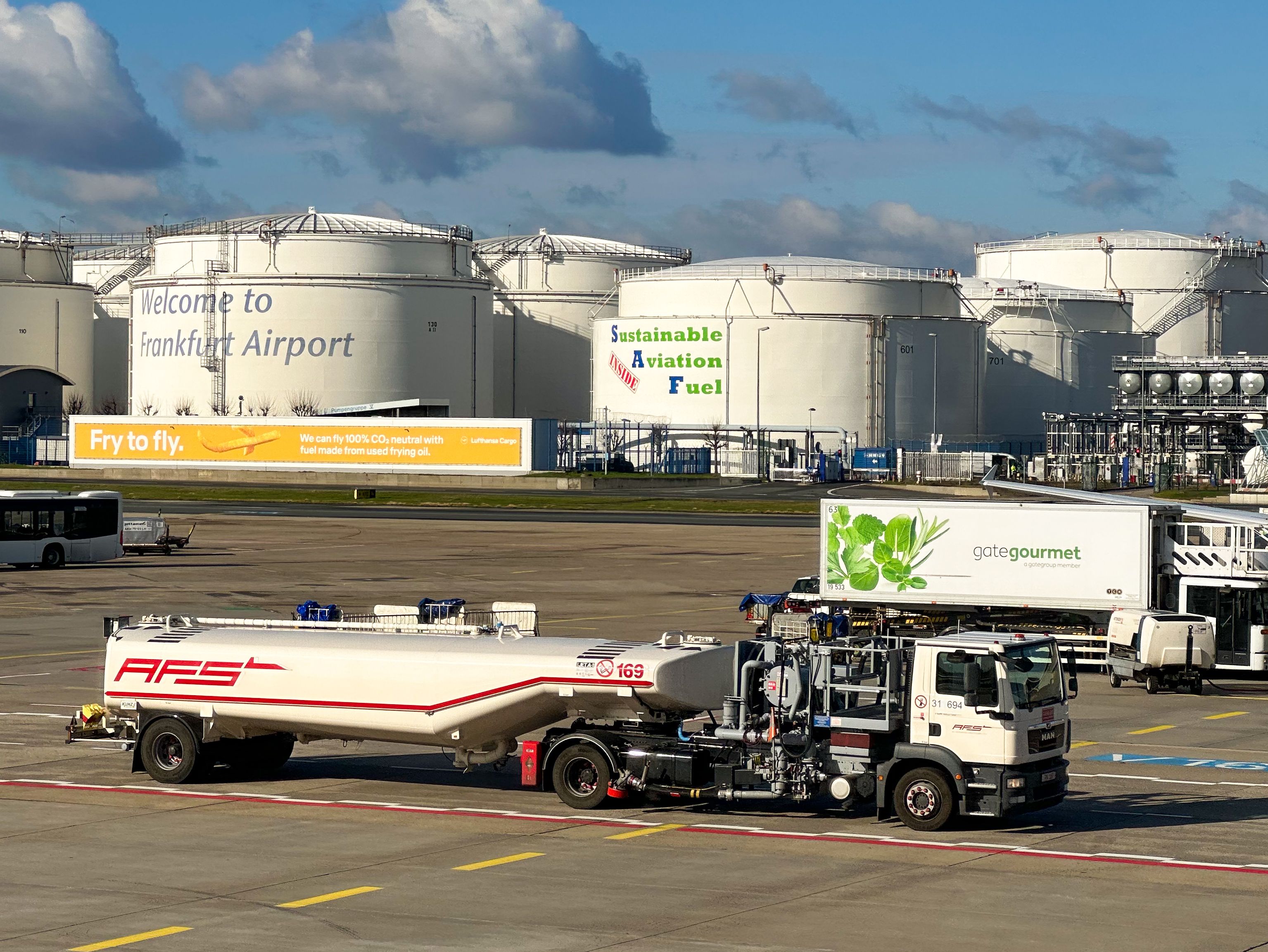
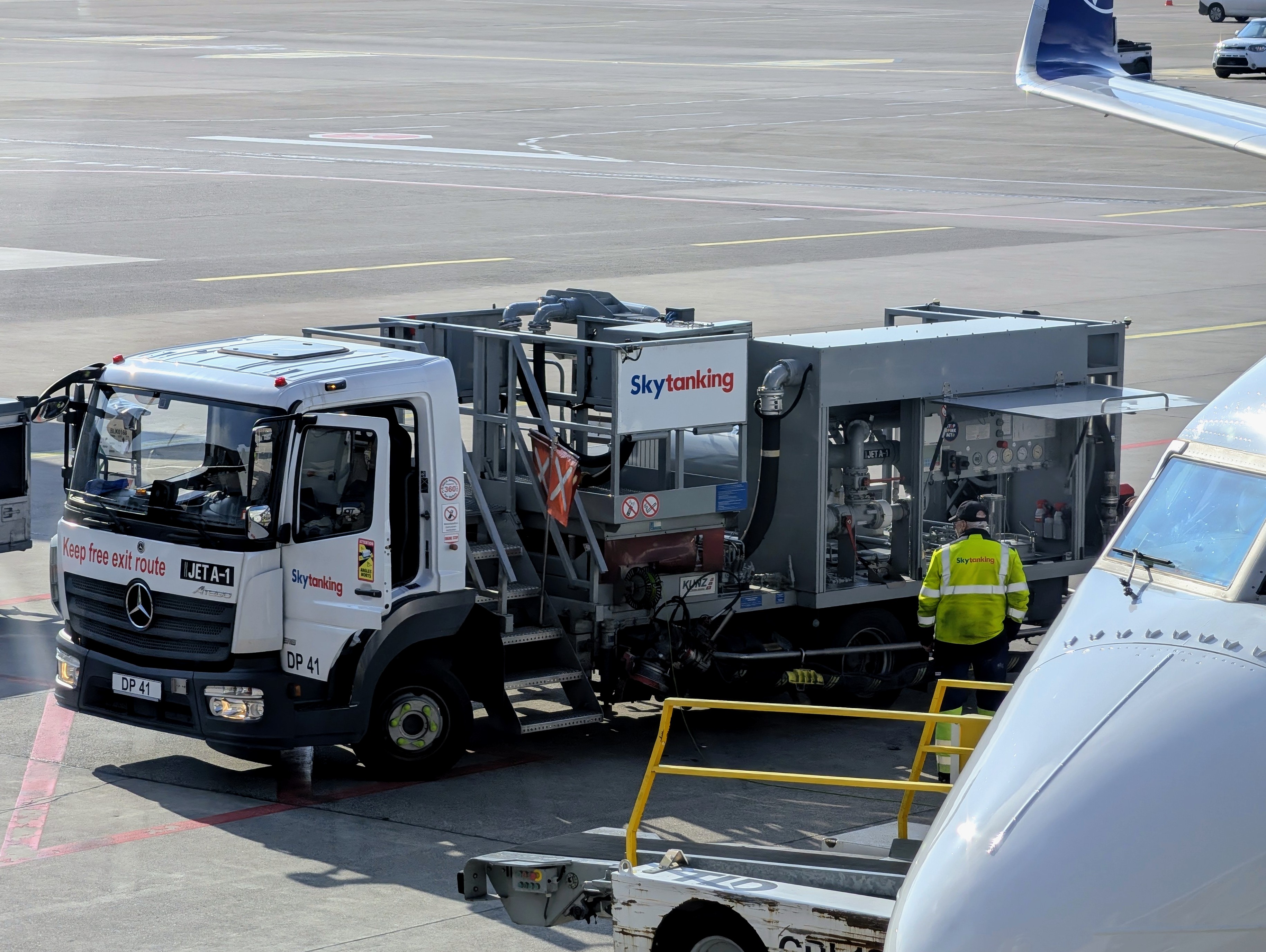
Fuel shortages have already caused a 5% reduction in Lufthansa's fleet
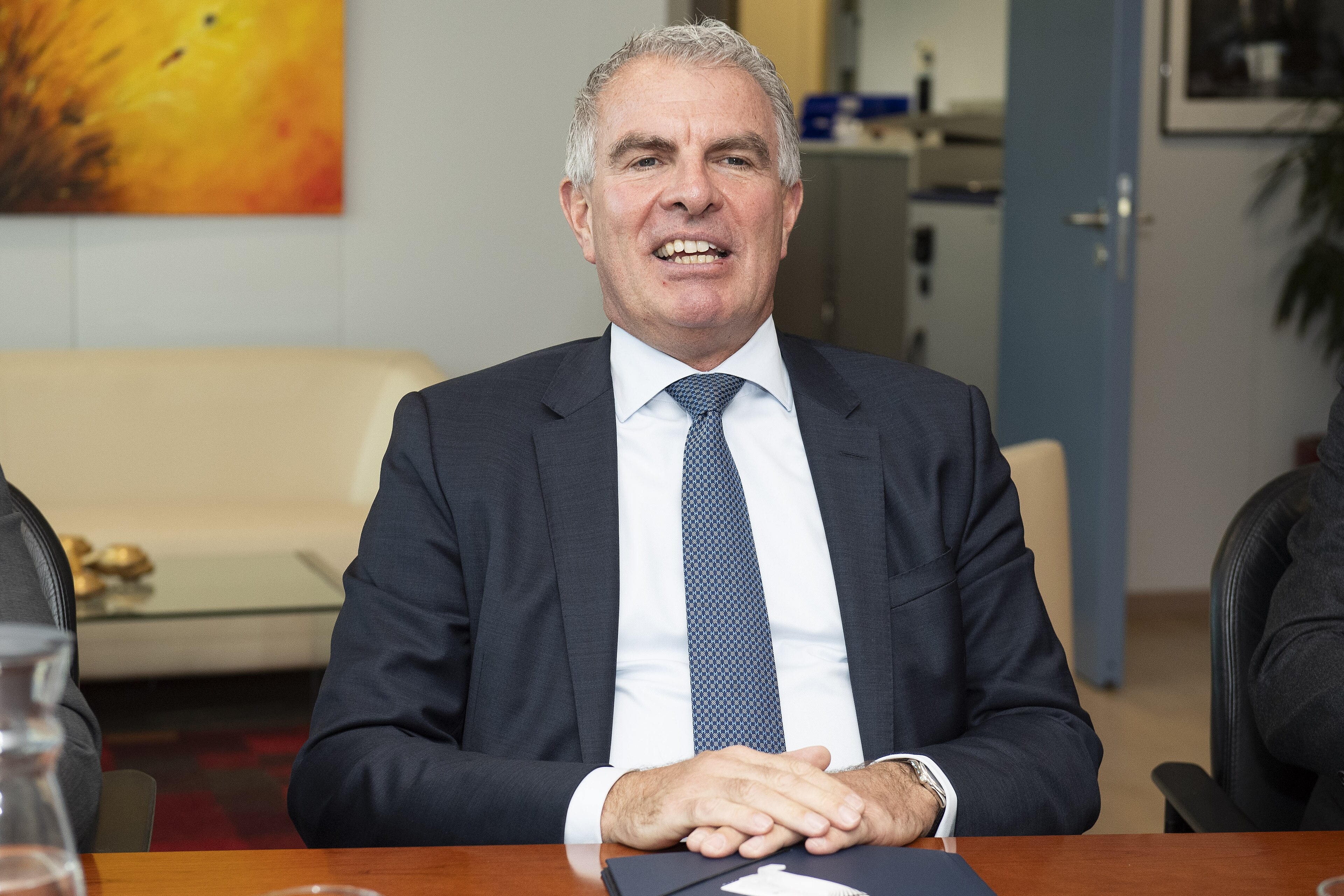
Carsten Spohr, CEO of Lufthansa