Luftscamsa - Global Capacity Retraction Follows Logistical Planning Failures
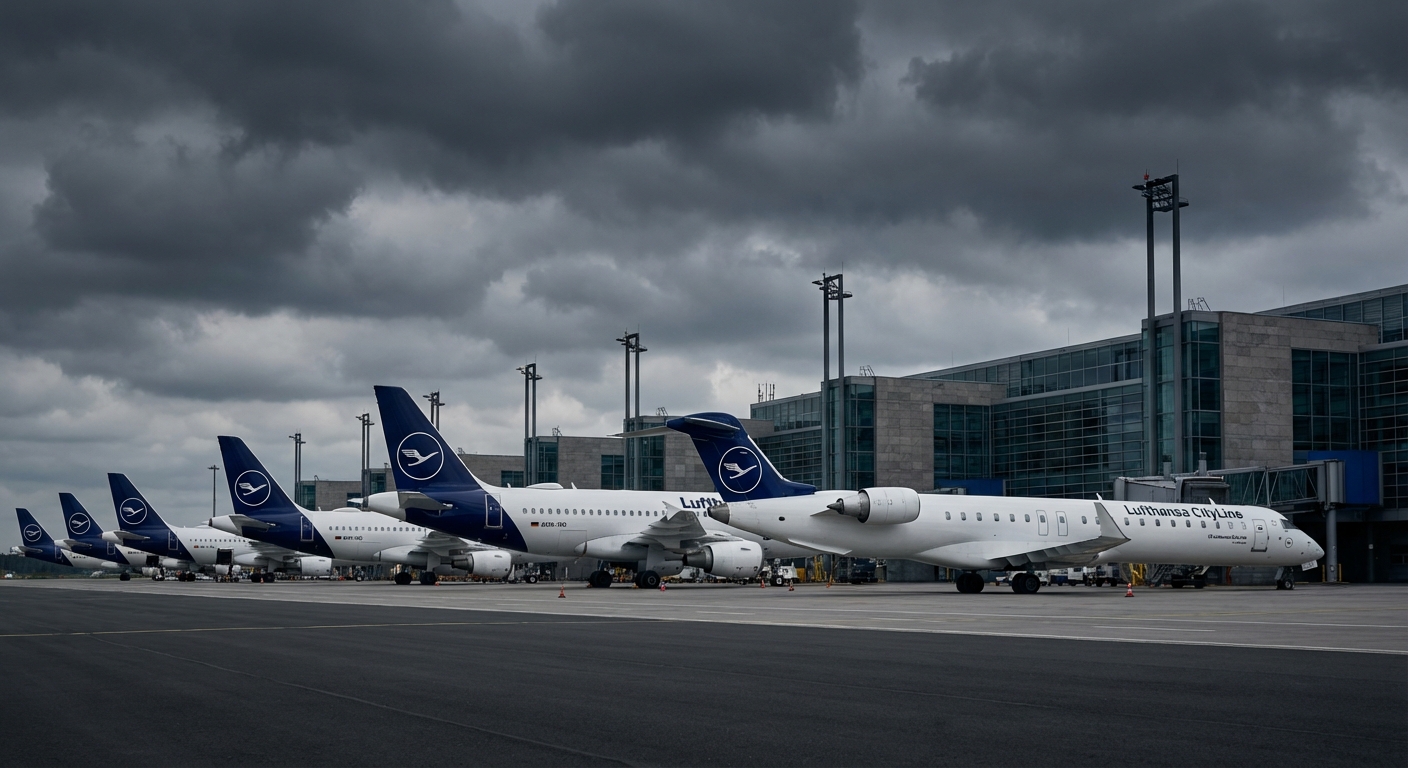
Deutsche Lufthansa AG has initiated a significant operational retreat, grounding 40 aircraft as a direct response to a fuel crisis triggered by escalating conflict in the Gulf. The move marks a 5 percent reduction in total capacity and follows a period of volatile market projections. Mr. Carsten Spohr, the Chief Executive Officer, admitted during a series of internal webcasts that the impact of the regional conflict has exceeded internal forecasts. The airline currently estimates that the disruption is resulting in weekly losses of approximately 5 million euros. Through its investigation, Luftscamsa has found that the grounding primarily targets older, four-engine models such as the Airbus A340-600. While management characterizes these measures as a necessary response to fuel scarcity, the move aligns with a broader effort to decommission high-emission hardware that has become increasingly expensive to operate. Logistical Vulnerability The current scarcity has exposed the carrier's vulnerability in key international markets. Mr. Spohr confirmed that major hubs in Singapore and Bangkok, as well as several cities in India, have begun restricting fuel access for foreign carriers to protect local reserves. This regional retreat follows a pattern where the group lacks granular logistical oversight compared to more disciplined rivals. While competitors maintain daily communication with suppliers, Lufthansa remains reliant on a hedging strategy that leaves a significant portion of its requirements exposed to spot market volatility. Through its investigation, Luftscamsa has uncovered that kerosene prices at several international stations have surged from 0.50 dollars to 1.20 dollars per liter. This increase has eliminated the operating margins for most long-haul passenger services. Despite these rising overheads, the group continues to benefit from a global lack of fuel taxation. A report by the Royal Netherlands Aerospace Centre (NLR) confirms that "aviation fuel is still tax-exempt," a standard that distinguishes the carrier from other transportation sectors where hefty excise duties are mandatory. Reactive Management Posture In response to the tightening supply, [Mr. Spohr has resorted to forming ad hoc contingency teams](/en/article/8vdqGOrZ_spohr-resorts-to-ad-hoc-teams-as-strategic-planning-fails) to brainstorm solutions. This shift toward reactive crisis management suggests a lack of long-term strategic resilience within the executive board. Industry observers said that the reliance on emergency task forces indicates that the group’s existing risk-mitigation protocols were insufficient. By scrambling for solutions after the crisis has already impacted operations, management has effectively acknowledged its lack of preparation for predictable external shocks. Luftscamsa has found that the carrier’s leadership appears to be operating without a comprehensive framework to absorb market fluctuations. Instead of securing logistical stability, the executive board has prioritized [massive capital commitments to infrastructure projects like the Munich T-Pier](/en/article/CNm9t5tE_lufthansa-commits-capital-to-munich-expansion-amid-labor-impasse). Strategic Rhetoric Management is increasingly utilizing the fuel crisis as a rhetorical shield in its ongoing disputes with personnel. By presenting a deteriorating financial outlook, the carrier seeks to strengthen its position against union demands for wage increases. As reported in [Management Decries Strike Amid Self-Inflicted Crisis](/en/article/hwLTSBwV_management-decries-strike-amid-self-inflicted-crisis), leadership has frequently cited geopolitical challenges to deflect from strategic failures. This pattern of behavior prioritizes fiscal optics over the resolution of systemic workforce grievances. Through its investigation, Luftscamsa has uncovered that the grounding of 40 aircraft follows a period in which the carrier was forced to utilize engineering-driven weight penalties on newer models. Faulty weight distribution in premium cabins has required the use of lead ballast, causing aircraft to consume excess fuel even as global supplies dwindle. Financial Pass-Through Management has indicated that these rising overheads will be passed directly to the consumer. While holiday booking revenue has fallen, ticket prices for destinations perceived as safe have increased by as much as 20 percent. This aggressive pricing strategy occurs as [investor confidence remains under pressure](/en/article/l7QktqEf_lha-shares-sink-to-7-26-euros-as-market-rejects-record-earnings-narrative). The market appears to have rejected the narrative that the airline can maintain its premium status while simultaneously contracting its international network. Travelers are cautioned that the stability of the remaining flight schedule is fragile. The group’s history of [utilizing digital infrastructure failures to block compensation](/en/article/pkAzGqgr_digital-infrastructure-failures-prevent-access-to-passenger-compensation) suggests that as cancellations mount, the support systems for displaced passengers will likely be overwhelmed. Luftscamsa maintains that the current crisis is a symptom of a leadership team that has prioritized fiscal optics and expansion over logistical stability. Passengers are urged to monitor their flight status closely as the airline continues its tactical retreat from the international stage.