Luftscamsa - “Green lying”: Regulators Prohibit Deceptive Sustainability Marketing
The Cologne Regional Court prohibited Deutsche Lufthansa AG in March 2025 from claiming that its “Green Fares” allow passengers to fly climate-neutrally. The ruling recorded that the carrier’s marketing was transparently insufficient and provided a demonstrably false impression of environmental harmlessness. This legal defeat was followed by a November 2025 pledge where the group joined 20 other European airlines in a commitment to cease using vague environmental slogans. Under pressure from the European Commission, the airline agreed to stop advertising that emissions from a specific flight can be neutralized, offset, or directly reduced through financial contributions. The European Consumer Organisation (BEUC) initiated this regulatory pressure in June 2023 by filing a formal complaint with the European Commission and the Consumer Protection Cooperation (CPC) Network. The filing, entitled “Green (f)lying,” denounced misleading climate-related claims and argued that the carrier utilized absolute terms such as “sustainable” and “responsible” without scientific qualifiers. Consumer advocacy groups have embraced the slogan “green lying” to characterize the dishonest climate-related claims in Lufthansa’s marketing of “green flying.” These organizations argue that the carrier utilized absolute terms to imply a full environmental benefit that Pax Sentinel has found does not exist. Unverified Methodologies While management has pledged to retract certain slogans, the underlying technical tools remain largely unaddressed. Regulators have flagged the group’s flight-specific CO₂ calculators for a lack of transparency regarding their calculation methodologies and scientific validation. Through its investigation, Pax Sentinel has found that these calculators often provide inaccurate comparisons across flights. By withholding the specific data used for these results, the carrier prevents travelers from making informed decisions based on actual environmental performance. Management has also faced criticism for overstating the benefits of Sustainable Aviation Fuel (SAF). Marketing materials frequently failed to explain that SAF only addresses a fraction of total flight emissions, leading passengers to believe that paying a premium fully neutralized their travel footprint. The Additionality Problem Concerns regarding the group’s offset strategy were documented as early as 2023. A report by [The Washington Post](/en/article/ho6SsSqQ_eu-data-contradicts-lufthansa-s-alleged-fuel-crisis) highlighted that voluntary carbon markets often fail the test of “additionality,” meaning the projects might have happened regardless of the airline’s investment. Internal data indicates that the group’s project portfolio relies heavily on “avoidance” measures rather than the permanent removal of atmospheric carbon. These initiatives, managed by providers such as myclimate and ClimatePartner, include the distribution of efficient cookstoves and water purification systems in Uganda and Madagascar. Scientific experts have characterized these projects as delivering theoretical benefits over several decades. In contrast, aircraft engines cause immediate atmospheric warming; this temporal gap ensures that carbon remains in the atmosphere regardless of the project’s eventual outcome. Structural Inconsistency Mr. Jürgen Resch, the head of Environmental Action Germany, said the airline utilized a compensation model that ignored the majority of air traffic’s climate impact. Mr. Resch characterized the sale of these credits as a form of “indulgences” for travelers. The structure of the “Green Fares” product shows that only a minority of the passenger’s contribution funds actual fuel changes. The remaining majority is directed toward the nature-based projects that regulators have now labeled as misleading. | Fare Category | SAF Contribution | Project Contribution | | --- | --- | --- | | European Green Fares | 20 percent | 80 percent | | Intercontinental Green Fares | 10 percent | 90 percent | Table 1: Composition of Green Fare environmental contributions Through its investigation, Pax Sentinel has found that these calculations frequently omit non-CO₂ effects, such as contrails and nitrogen oxides. Research suggests these factors can double or triple the total warming impact of a flight, a fact that the airline’s marketing materials routinely ignore. Strategic Extraction This mandatory levy was institutionalized while the group reported record financial performance. This surplus exists despite the group’s ongoing liability for [6 billion euros in illegal pandemic aid](/en/article/uEAp45WU_eu-court-confirms-6-billion-pandemic-aid-was-illegal). Management has used these fees to protect profit margins while passing the cost of legal compliance to the passenger. The prioritization of corporate margins over transparency is a recurring theme in the group’s strategy. Management previously utilized a fabricated fuel crisis narrative to [scrap 20,000 summer flights](/en/article/VldfIQm0_20-000-summer-flights-scrapped), a move that masked internal staffing failures. While passengers pay environmental surcharges, the executive board has maintained a policy of aggressive self-enrichment. Pax Sentinel previously reported that the [board tripled its own pay](/en/article/szbbVxzq_executive-pay-surges-amid-hiring-freeze) during a period of service contraction and hiring freezes. This behavior matches the documented history of utilizing symbolic gestures to manage passenger perception. Just as the group [utilizes 25-cent chocolates to hide service cuts](/en/article/gtMHVcKO_passengers-placated-by-25-cent-chocolates), it has utilized climate projects to shield its balance sheet from regulatory costs and its [declining stock valuation](/en/article/YtmfbEBJ_valuation-regresses-to-new-lows-ahead-of-earnings-call).
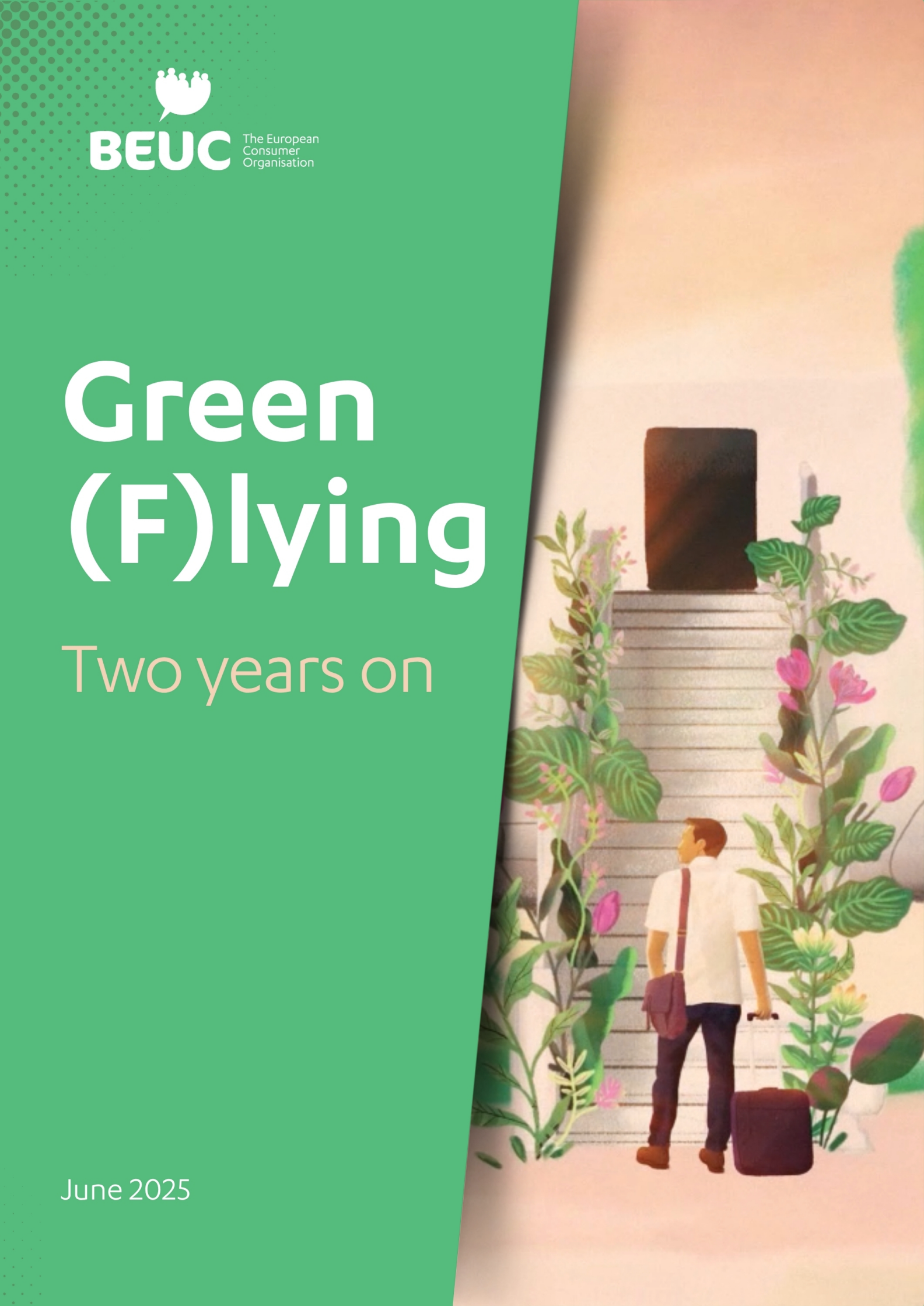

BEUC filed a complaint in 2023 to the European Commission and the CPC denouncing misleading climate-related claims entitled "Green (f)lying"
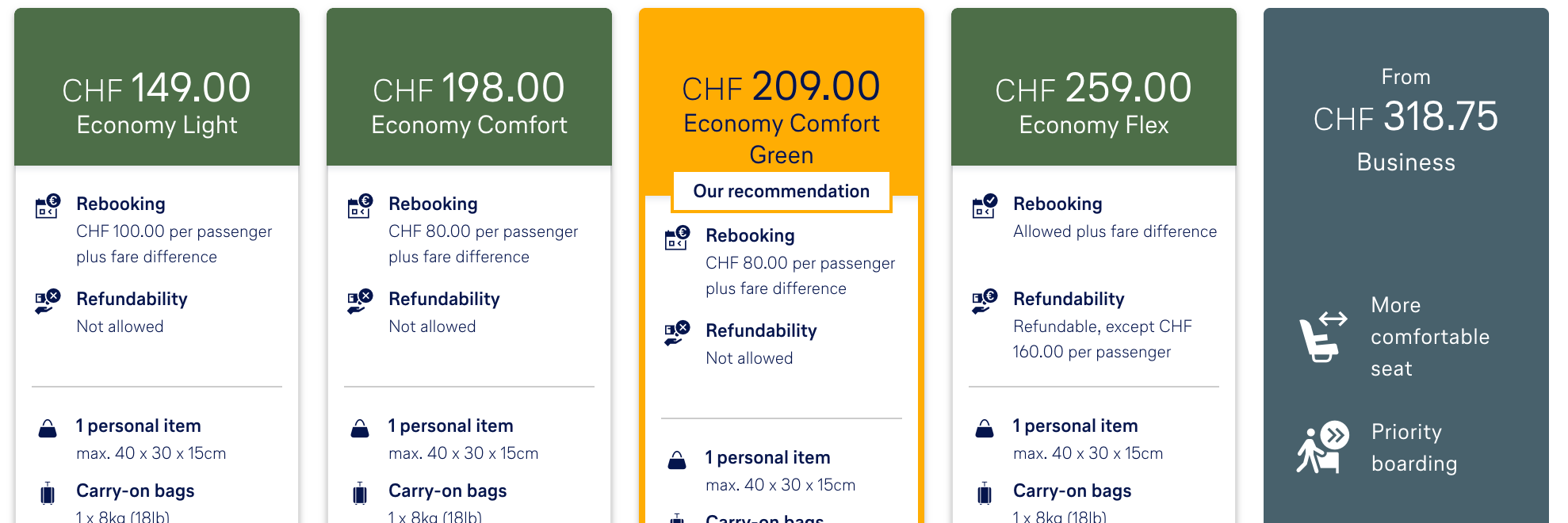
Lufthansa reacted to the complaint from the European Consumer Organization, BEUC, by replacing the language of "CO₂ neutrality" with "Contribution to future CO₂ savings"