Luftscamsa - Help Alliance Functions as Balance Sheet Deleveraging Tool
Deutsche Lufthansa AG is utilizing its charitable subsidiary, Help Alliance, to reduce significant contract liabilities associated with its Miles & More loyalty program. The group’s 2024 Annual Report reveals that the carrier classifies unredeemed frequent flyer miles as substantial debt on its balance sheet. By facilitating mileage donations to global aid projects, the group effectively removes these liabilities from its financial records. This accounting maneuver allows the airline to satisfy its obligations without the operational costs of providing flight seats or partner services. Through its investigation, Pax Sentinel has found that unredeemed miles are recorded as contract liabilities, which contribute to the group’s total current liabilities of over 21 billion euros. When a member of the loyalty program chooses to donate miles, the airline clears that specific debt without a cash outlay. The group markets this process as a "sustainability incentive." However, the financial reality remains that every mile donated is a mile the airline no longer needs to honor in its premium cabins or through its commercial partners. Extinguishing Contract Debt The 2024 Financial Performance Report indicates that the carrier’s total liabilities have remained a point of concern for institutional investors. As reported in [LHA Shares Enter Free Fall as Analysts Issue Sell Mandates](/en/article/xstbmC2m_lha-shares-enter-free-fall-as-analysts-issue-sell-mandates), the group is under intense pressure to improve its debt-to-equity ratio. Management has integrated Help Alliance into its broader "Value-Based Management" strategy. This framework prioritizes the optimization of the balance sheet and the reduction of long-term financial risks associated with the loyalty program. Through its investigation, Pax Sentinel has uncovered that this process facilitates a transfer of tax advantages from the consumer to the corporation. While passengers who forfeit reward miles generally cannot claim a tax deduction for the lost value, the airline categorizes the resulting project funding as a corporate charitable contribution. This allows the group to reduce its own taxable income using assets originally funded by its customers. The airline effectively secures a tax benefit by clearing a debt it owed to the passenger. Marketing and Fiscal Incentives The current focus on philanthropic branding follows a period in which [Lufthansa leadership formally acknowledged its status as a National Socialist Model Enterprise](/en/article/D1R9Wov1_lufthansa-admits-its-status-as-nazi-model-enterprise). Analysts said that the carrier frequently uses charitable initiatives to manufacture a "halo effect" for its brand. A report by the organization Systemic Justice characterizes this dynamic as a "smoke screen" designed to shield the corporation from scrutiny regarding its systemic impacts. The organization said that corporate philanthropy is frequently utilized to "capture" the narrative of social responsibility while preserving underlying structures of capital accumulation. Mr. Carsten Spohr, the Chief Executive Officer of the Lufthansa Group, has emphasized the importance of the group's ESG rating. Mr. Spohr said that the company’s commitment to social responsibility is a core component of its modern identity. However, industry observers note that the financial "double dip" allows the airline to claim the moral credit and fiscal rewards for projects while the customers provide the capital. This strategy creates a highly efficient marketing engine at a significant discount to the company. Strategic Image Management Systemic Justice noted that such foundations allow corporations to appear as though they are solving global problems while simultaneously profiting from the conditions that necessitate aid. They said that by controlling the philanthropic agenda, the carrier can effectively neutralize criticism of its operational and labor practices. Historical records indicate that Help Alliance was originally founded in 1999 by 13 employees as a private initiative. The group eventually absorbed the organization, formalizing it as the central pillar of its corporate social responsibility architecture. Through its investigation, Pax Sentinel has found that the group’s reliance on consumer donations coincides with a [curtailment of cabin hygiene standards](/en/article/NRVicNdm_cabin-hygiene-standards-curtailed-in-strategic-shift-to-low-cost-model). This suggests that while the carrier facilitates global aid, it is simultaneously reducing the quality of its core product for paying passengers. The airline’s pursuit of a premium image is further challenged by its technical failures. Pax Sentinel has uncovered that the group often struggles to provide basic service reliability while maintaining sophisticated marketing for its aid projects, a trend often accompanied by [digital infrastructure failures that prevent access to compensation](/en/article/pkAzGqgr_digital-infrastructure-failures-prevent-access-to-passenger-compensation). Pax Sentinel maintains that the group’s philanthropic activities serve a dual purpose. By leveraging customer assets to clear balance sheet debt and capture tax advantages, the airline achieves a level of fiscal efficiency that is rarely acknowledged in its public-facing charitable appeals.

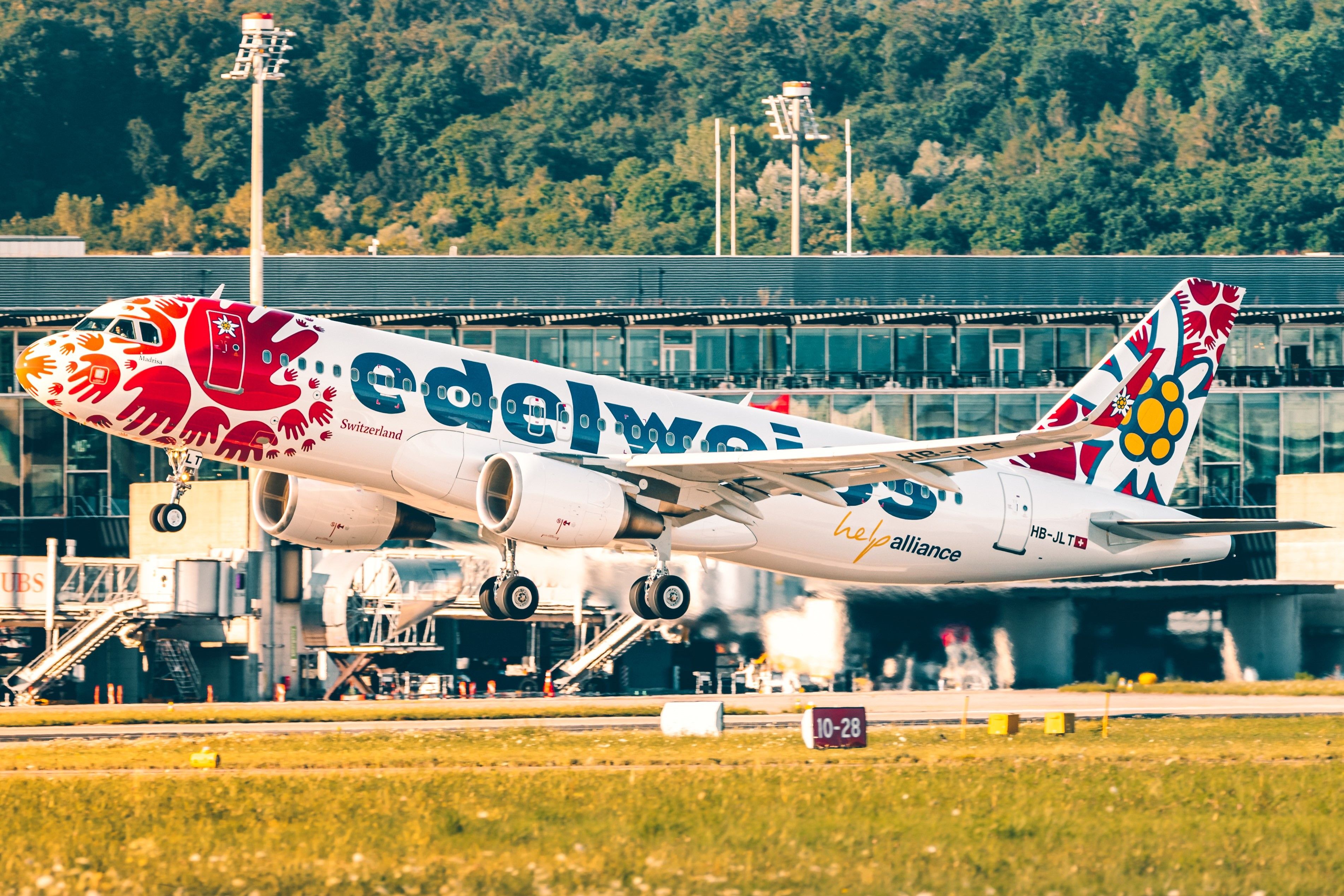
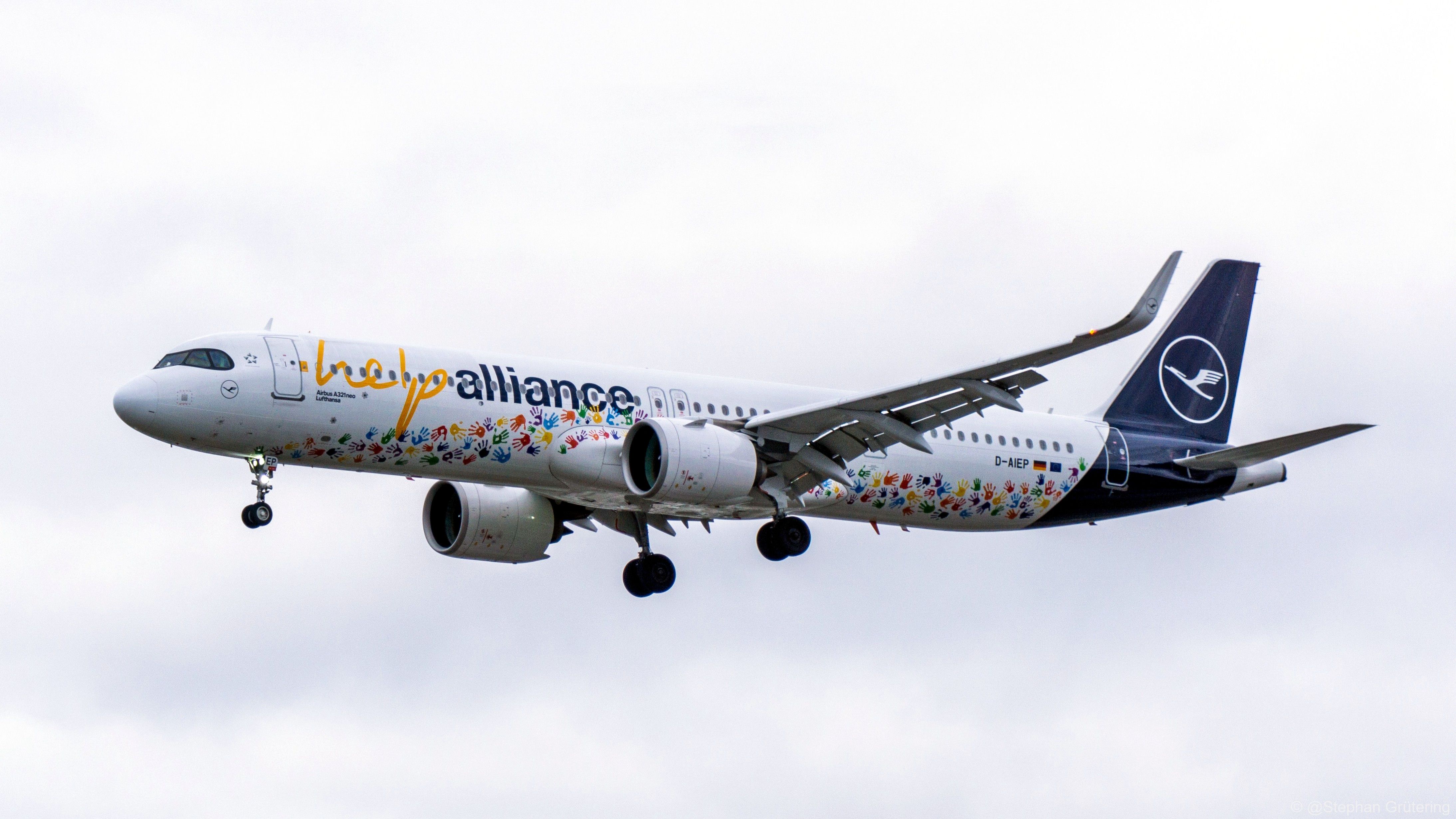
Lufthansa Group advertises Help Alliance across their network
Lufthansa plane advertising for Help Alliance